
When it comes to tile roof installation companies, there is a myriad of options available for homeowners looking to enhance the aesthetic appeal and durability of their roofs. From the types of materials used to the installation process and maintenance tips, this comprehensive guide will delve into everything you need to know about tile roof installation companies.
Types of Tile Roof Materials
When it comes to tile roof installations, there are two main types of materials commonly used: clay tiles and concrete tiles. Each material has its own set of pros and cons, so it's important to understand the differences before making a decision.
Clay Tiles
Clay tiles are known for their classic and timeless look, adding a touch of elegance to any home. They are also durable and can last for decades with proper maintenance. However, clay tiles can be more expensive than concrete tiles and are more prone to cracking in extreme weather conditions.
Concrete Tiles
Concrete tiles are a more affordable option compared to clay tiles and offer a wide range of colors and styles to choose from. They are also quite durable and can withstand harsh weather conditions better than clay tiles. On the downside, concrete tiles are heavier than clay tiles, which may require additional support for the roof structure.
Comparison: Clay vs. Concrete Tiles
Durability
While both clay and concrete tiles are durable, concrete tiles tend to be more resistant to harsh weather conditions.
Cost
Clay tiles are typically more expensive than concrete tiles, making concrete a more budget-friendly option.
Maintenance
Both materials require regular maintenance, but clay tiles may be more prone to cracking over time compared to concrete tiles.
Cost Factors in Tile Roof Installation
When considering the cost of installing a tile roof, several factors come into play that can influence the overall price. It's essential to understand how installation costs are calculated and what additional expenses may arise beyond just the materials themselves.
Calculating Installation Costs
- Labor Costs: The amount of labor required for the installation, including the number of workers needed and the time it takes to complete the job, will impact the overall cost.
- Roof Size and Complexity: The size of the roof and its complexity, such as slopes and angles, will affect the labor and time needed for installation.
- Roof Preparation: Any necessary repairs or preparation work needed before installing the new tile roof can add to the total cost.
Additional Costs
- Permit Fees: Depending on your location, you may need to obtain permits for the roof installation, which can come with associated fees.
- Underlayment: The underlayment, which is essential for protecting the roof deck from moisture, is an additional cost that should be factored in.
- Flashings and Trim: Components like flashings and trim pieces are necessary for a proper installation and will contribute to the total cost.
Cost Comparison with Other Roofing Materials
When comparing tile roofs to other roofing materials like asphalt shingles or metal, it's important to note that tile roofs typically have a higher upfront cost. However, they are also known for their durability and longevity, which can result in cost savings over time due to fewer repairs and replacements.
Additionally, the aesthetic appeal of tile roofs may add value to your home, impacting its overall resale value.
Installation Process
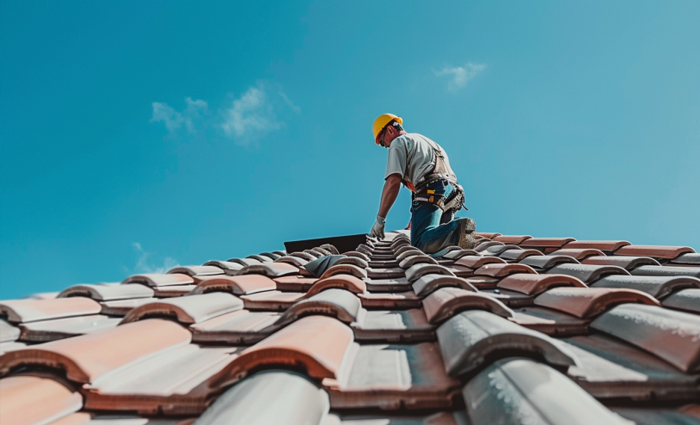
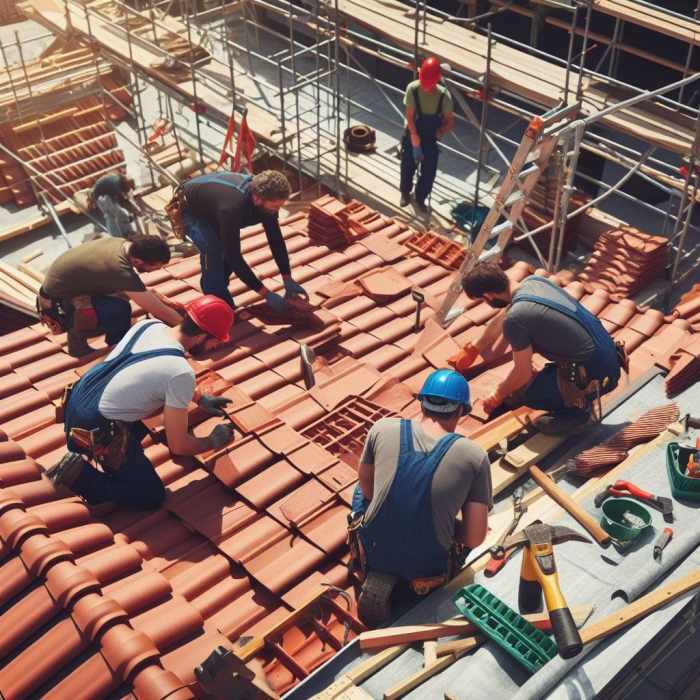
When it comes to installing a tile roof, there are several important steps that need to be followed to ensure a successful and long-lasting result. From the initial preparation to the final touches, each stage plays a crucial role in the overall process.Proper installation of a tile roof requires attention to detail, the right tools and equipment, and a skilled team of professionals.
Here is a breakdown of the general steps involved in installing a tile roof, the tools and equipment needed, as well as the importance of proper underlayment and flashing.
General Steps in Installing a Tile Roof
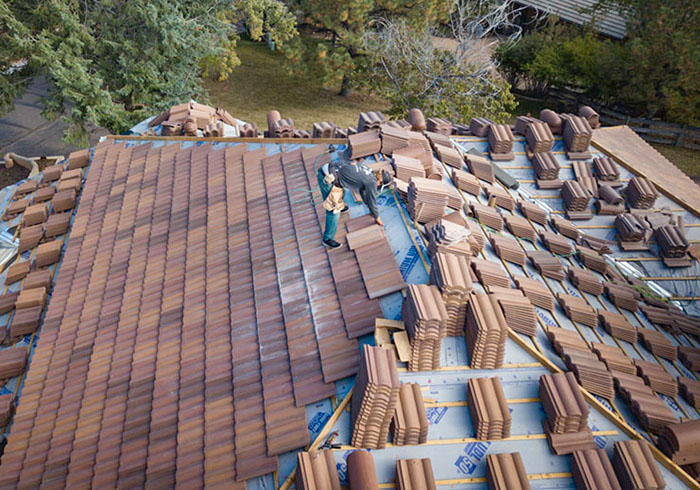
- Preparation of the roof surface by removing old roofing materials and ensuring a clean and smooth base.
- Installation of the underlayment to provide a waterproof barrier and protect the roof structure from moisture.
- Setting the tile battens or grids to support the tiles and create a level surface for installation.
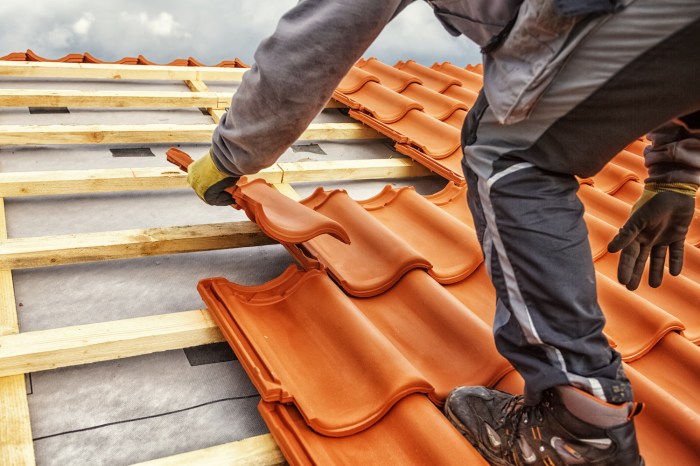
- Placing the tiles in the desired pattern, ensuring proper alignment and spacing for a uniform look.
- Securing the tiles in place using nails or screws, making sure they are fastened securely to withstand weather elements.
- Adding flashing around roof penetrations and edges to prevent water infiltration and protect vulnerable areas.
- Final inspection to ensure all tiles are properly installed and the roof is ready for use.
Tools and Equipment Needed for Installation
- Roofing hammer or nail gun for securing the tiles.
- Tile cutter for trimming tiles to fit around edges and corners.
- Roofing underlayment to provide a waterproof barrier.
- Flashing material for sealing roof penetrations and edges.
- Ladder or scaffolding for safe access to the roof.
- Protective gear such as gloves, safety goggles, and hard hats for the installation crew.
Importance of Proper Underlayment and Flashing
Proper underlayment is essential for protecting the roof structure from water damage and ensuring the longevity of the tile roof. It acts as a secondary barrier against moisture, preventing leaks and maintaining the integrity of the roof system.Flashing, on the other hand, plays a crucial role in preventing water infiltration at vulnerable areas such as roof edges, valleys, and penetrations.
It helps to redirect water away from these critical points, reducing the risk of water damage and extending the lifespan of the roof.By following the correct installation process, using the right tools and equipment, and paying attention to details such as underlayment and flashing, a tile roof can provide years of reliable protection and enhance the aesthetic appeal of any property.
Maintenance and Repair
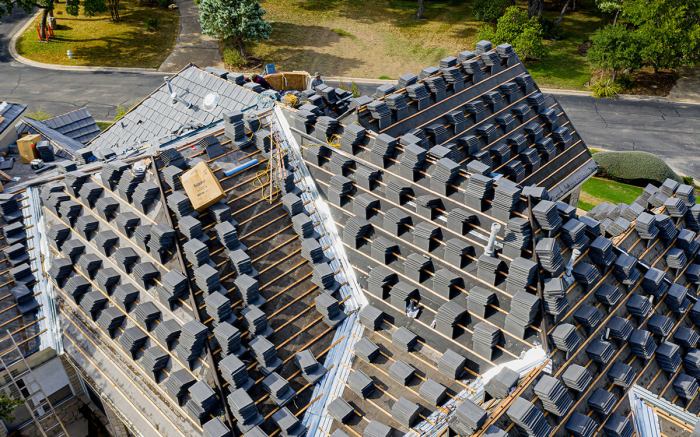
Regular maintenance is crucial for ensuring the longevity and performance of tile roofs. Here are some common maintenance practices for tile roofs:
Common Maintenance Practices
- Inspecting the roof for cracked, chipped, or broken tiles regularly.
- Cleaning debris, leaves, and moss from the roof surface to prevent water pooling and potential damage.
- Checking and clearing the gutters to maintain proper drainage and prevent water backup.
- Trimming overhanging tree branches to prevent damage from falling limbs or leaves.
Signs of Repair or Replacement
- Water leaks or stains on the ceiling or walls inside the house.
- Mold growth or musty odors, indicating moisture penetration.
- Sagging or uneven areas on the roof, potentially caused by deteriorating underlayment or structure.
- Loose or missing tiles, which can compromise the integrity of the roof system.
Typical Lifespan and Factors Affecting it
Tile roofs have a typical lifespan of 50 years or more, depending on the quality of materials and installation. However, several factors can affect the longevity of a tile roof:
- Climate conditions, such as extreme temperatures, heavy rainfall, or high winds, can accelerate wear and tear.
- Improper installation or maintenance practices can lead to premature deterioration of tiles and underlayment.
- Quality of materials used, with higher-grade tiles and underlayment lasting longer than lower-quality options.
- Regular inspections and timely repairs can help extend the lifespan of a tile roof and prevent costly replacements.
Concluding Remarks
In conclusion, tile roof installation companies play a crucial role in ensuring the longevity and functionality of your roof. By understanding the various aspects covered in this guide, you can make informed decisions and maintain a beautiful tile roof for years to come.
User Queries
What are the most popular materials used in tile roof installations?
Common materials include clay and concrete tiles, each with their own set of advantages and disadvantages.
How are installation costs calculated for tile roofs?
Installation costs are typically calculated based on factors like roof size, material type, and any additional features or customizations.
What are some signs that indicate repair or replacement is needed for a tile roof?
Signs such as cracked or missing tiles, water leaks, and visible wear and tear may indicate the need for repair or replacement.
What is the typical lifespan of a tile roof?
A well-maintained tile roof can last for 50 years or more, but this can vary depending on factors like climate and maintenance practices.