
Dive into the world of industrial roof coating services, where the protection and longevity of industrial structures are a top priority. From enhancing durability to maximizing performance, these services play a crucial role in maintaining the integrity of industrial roofs.
Let's explore the key aspects of industrial roof coating services and how they can benefit businesses in the long run.
Overview of Industrial Roof Coating Services
Industrial roof coating services involve the application of protective coatings to roofs of industrial buildings to enhance their durability, weather resistance, and longevity. These services are typically provided by professional contractors who specialize in roof maintenance and restoration.Professional roof coatings for industrial buildings are crucial to protect the roof from various environmental factors such as UV rays, moisture, and extreme temperatures.
Without proper coating, industrial roofs are susceptible to damage and deterioration, leading to costly repairs and premature replacement.Investing in industrial roof coating services offers numerous benefits, including:
Extended roof lifespan
Coatings help prolong the life of the roof by providing an extra layer of protection against wear and tear.
Energy efficiency
Some coatings are designed to reflect sunlight, reducing heat absorption and lowering cooling costs.
Waterproofing
Coatings act as a barrier against water infiltration, preventing leaks and water damage inside the building.
Cost-effective maintenance
Regular coating maintenance can help avoid expensive roof repairs and replacements in the long run.
Enhanced aesthetics
Coatings can improve the appearance of the roof, giving the building a fresh and well-maintained look.
Types of Industrial Roof Coatings
Industrial roof coatings come in various types, including:
Acrylic coatings
Water-based coatings that provide good UV protection and flexibility.
Silicone coatings
Highly durable and resistant to ponding water, ideal for flat roofs.
Polyurethane coatings
Excellent for high-traffic areas and offer superior protection against chemicals and abrasions.
Asphalt coatings
Commonly used for waterproofing and protecting asphalt-based roofs.
Reflective coatings
Designed to reduce heat absorption and energy costs by reflecting sunlight.Each type of coating has its own set of advantages and is suitable for different industrial roofing needs.
Types of Industrial Roof Coatings
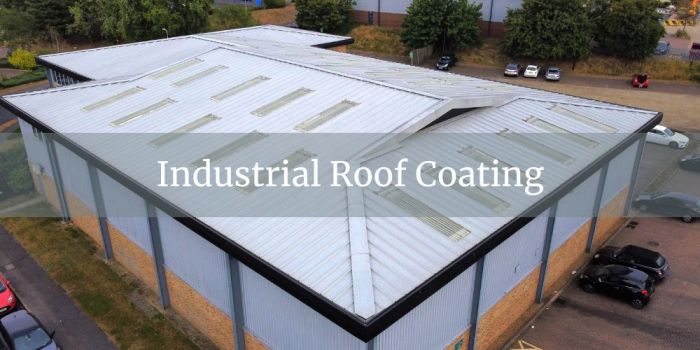
Industrial roof coatings come in a variety of types, each with its own set of characteristics and advantages that cater to different needs and requirements. Let's explore some of the common types of industrial roof coatings below.
Elastomeric Roof Coatings
Elastomeric roof coatings are known for their flexibility and ability to stretch and return to their original shape without damage. They are ideal for roofs that experience constant expansion and contraction due to temperature changes. These coatings provide excellent waterproofing properties and UV resistance, making them a popular choice for industrial roofs.
Acrylic Roof Coatings
Acrylic roof coatings are durable and provide good protection against UV rays. They are also known for their ability to reflect sunlight, reducing heat buildup within the building. Acrylic coatings are easy to apply and maintain, making them a cost-effective option for industrial roofs.
Polyurethane Roof Coatings
Polyurethane roof coatings offer superior resistance to chemicals, abrasion, and weathering. They provide excellent waterproofing and insulation properties, making them suitable for industrial roofs that require added protection. Polyurethane coatings are long-lasting and can withstand harsh environmental conditions.
Silicone Roof Coatings
Silicone roof coatings are known for their breathability, allowing trapped moisture to escape without damaging the coating. They offer excellent UV resistance and are resistant to ponding water. Silicone coatings are also easy to apply and maintain, making them a popular choice for industrial roofs.
Bitumen Roof Coatings
Bitumen roof coatings, also known as asphalt coatings, are durable and provide excellent waterproofing properties. They are commonly used in industrial settings where heavy foot traffic is expected. Bitumen coatings offer good resistance to UV rays and can withstand extreme temperatures.
Metal Roof Coatings
Metal roof coatings are specifically designed to protect metal roofs from corrosion and rust. These coatings provide a barrier against moisture and chemicals, extending the lifespan of the roof. They also offer reflectivity to reduce energy costs and maintain a comfortable indoor temperature.
Factors to Consider Before Choosing Industrial Roof Coating Services
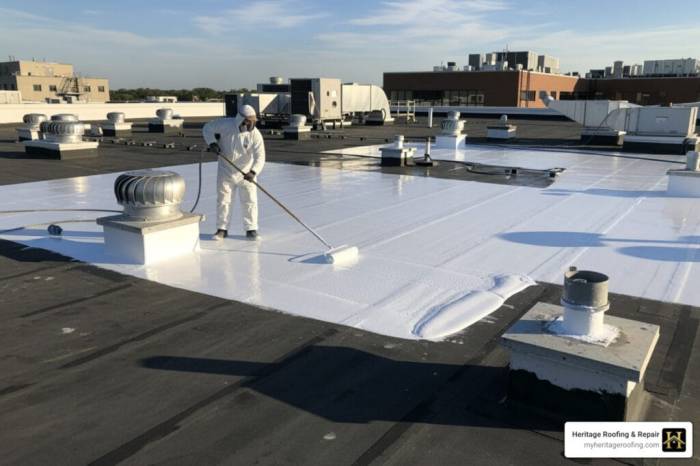
When selecting industrial roof coating services, businesses must consider several key factors to ensure they make the right choice. Factors such as climate, location, warranty, and maintenance services offered by providers play a crucial role in determining the effectiveness and longevity of the roof coating.
Climate and Location Impact
Climate and location are important factors to consider when choosing an industrial roof coating. Different climates require different types of roof coatings to withstand extreme weather conditions. For example, areas with high humidity may require coatings that are resistant to mold and mildew growth, while regions prone to heavy rainfall may need coatings with superior waterproofing properties.
It is essential to assess the specific climate and location of your business to determine the most suitable roof coating that will provide optimal protection and longevity.
Importance of Warranty and Maintenance Services
The warranty and maintenance services offered by industrial roof coating providers are critical considerations for businesses. A comprehensive warranty ensures that any issues with the roof coating will be addressed promptly and at no additional cost, providing peace of mind to the business owner.
Additionally, regular maintenance services help prolong the life of the roof coating and prevent costly repairs or replacements in the future. Before choosing a service provider, businesses should carefully review the warranty terms and inquire about the maintenance packages available to ensure they receive the necessary support and protection for their industrial roof.
Application Process of Industrial Roof Coatings
Industrial roof coatings play a crucial role in protecting buildings from harsh weather conditions, extending the lifespan of the roof, and improving energy efficiency. The application process requires careful preparation, adherence to safety measures, and compliance with regulations to ensure a successful outcome.
Preparation Before Coating Application
Before applying industrial roof coatings, thorough preparation is essential to achieve optimal results. This typically involves the following steps:
- Inspecting the roof for any damage or areas in need of repair.
- Cleaning the roof surface to remove dirt, debris, and contaminants that could affect adhesion.
- Repairing any existing damage such as leaks, cracks, or corrosion.
- Ensuring proper drainage to prevent water ponding on the roof.
Safety Measures and Regulations
When applying industrial roof coatings, it is crucial to prioritize safety to protect workers and ensure compliance with regulations. Some key safety measures and regulations to consider include:
- Using appropriate personal protective equipment (PPE) such as gloves, goggles, and respirators.
- Working with proper ventilation to minimize exposure to fumes and chemicals.
- Following manufacturer's guidelines for handling and applying roof coatings.
- Adhering to local building codes and regulations related to roof coating application.
Cost Analysis of Industrial Roof Coating Services
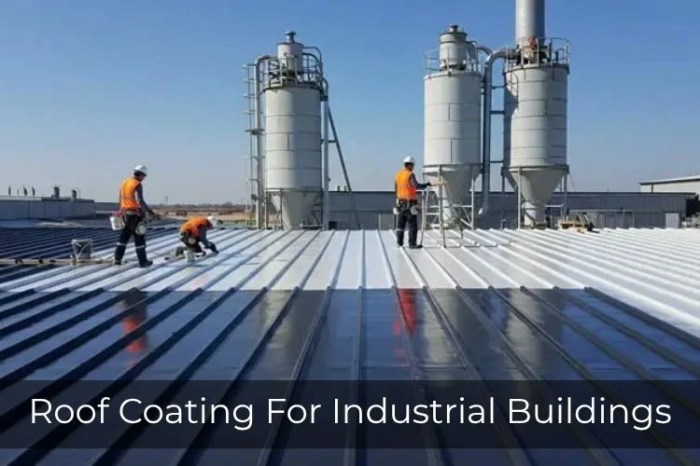
Industrial roof coating services can vary in cost depending on several factors that need to be considered. It's important to break down these cost factors and understand how investing in quality coatings can lead to long-term cost savings for businesses.
Cost Factors Involved in Industrial Roof Coating Services
- The size of the roof: Larger roofs will naturally require more coating material and labor, leading to higher costs.
- Type of coating: Different types of industrial roof coatings come at different price points. Factors such as durability, reflectivity, and warranty can affect the cost.
- Preparation work: The condition of the roof and the amount of preparation needed before applying the coating can impact the overall cost.
- Application method: The complexity of the application process, whether it's spray-applied, rolled, or brushed on, can affect the labor costs.
Comparison of Costs for Different Types of Roof Coatings
- Acrylic coatings: Generally more affordable compared to other options, acrylic coatings offer good protection and reflectivity at a lower cost.
- Silicone coatings: Known for their durability and weather resistance, silicone coatings tend to be more expensive but can provide long-term cost savings due to their longevity.
- Polyurea coatings: These coatings are more costly upfront but offer superior protection against impact and abrasion, potentially reducing maintenance costs in the long run.
Long-Term Cost Savings from Investing in Quality Coatings
- Extended roof life: Quality coatings can help extend the lifespan of the roof, reducing the need for costly replacements in the future.
- Energy efficiency: Reflective coatings can help lower energy costs by reducing the heat absorbed by the building, especially in hot climates.
- Reduced maintenance: High-quality coatings require less maintenance over time, saving on repair and upkeep expenses.
Maintenance and Longevity of Industrial Roof Coatings
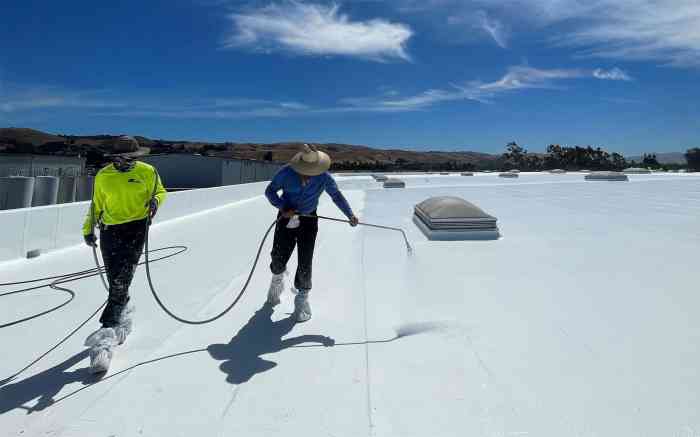
Industrial roof coatings are a crucial investment for protecting your building from weather elements and extending the lifespan of your roof. Proper maintenance is essential to ensure the longevity and effectiveness of these coatings.Regular inspections and maintenance play a significant role in preserving the integrity of industrial roof coatings.
By following a few simple tips, you can enhance the lifespan of your roof coatings and avoid costly repairs in the future.
Regular Inspections
Regular inspections are key to identifying any issues with your industrial roof coatings before they escalate. Inspect the roof for any signs of damage, such as cracks, peeling, or ponding water. Addressing these issues promptly can prevent further deterioration and extend the lifespan of the coatings.
Prompt Repairs
If any damage is identified during inspections, it is crucial to address it promptly. Repairing small issues, such as cracks or blisters, can prevent them from spreading and causing more significant problems. Regular maintenance and repairs can help maintain the protective properties of the coatings and ensure their longevity.
Cleaning and Maintenance Schedule
Developing a cleaning and maintenance schedule for your industrial roof coatings is essential for their longevity. Regular cleaning can prevent debris buildup and algae growth, which can compromise the effectiveness of the coatings. By following a consistent maintenance routine, you can maximize the performance and lifespan of your roof coatings.
Last Point
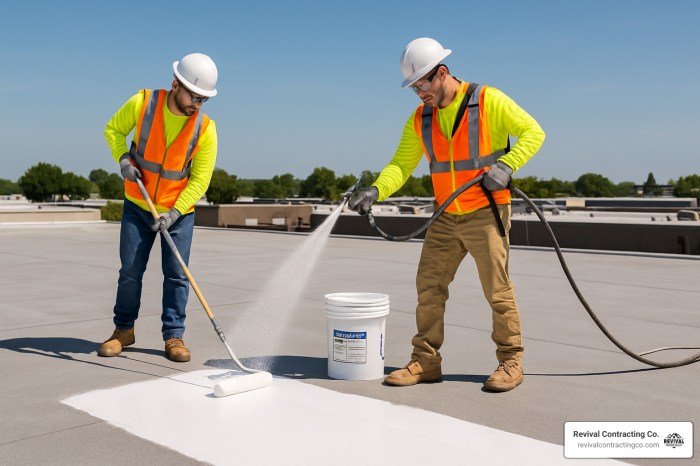
As we conclude our exploration of industrial roof coating services, it's clear that investing in professional coatings can provide a solid foundation for the longevity and performance of industrial roofs. With a focus on quality, maintenance, and cost-effectiveness, businesses can ensure that their industrial buildings remain protected and secure for years to come.
Detailed FAQs
What are the key benefits of industrial roof coating services?
Industrial roof coating services provide enhanced durability, protection against environmental elements, and improved energy efficiency for industrial buildings.
How do different types of roof coatings vary in terms of performance?
Each type of roof coating offers unique characteristics and advantages, such as increased weather resistance, UV protection, or energy efficiency.
What factors should businesses consider before choosing a service provider for industrial roof coating?
Businesses should consider factors like the provider's experience, warranty offerings, maintenance services, and the climatic conditions of their location.
How can regular maintenance extend the longevity of industrial roof coatings?
Regular inspections, timely repairs, and proper maintenance practices can significantly extend the lifespan of industrial roof coatings, ensuring their optimal performance.