
When a storm hits, your roof is often the first line of defense for your home. Understanding the importance of immediate action, steps to take after a storm, temporary solutions, hiring professional services, insurance coverage, and DIY safety measures can make a significant difference in ensuring your roof remains intact.
Importance of Emergency Storm Roof Repair
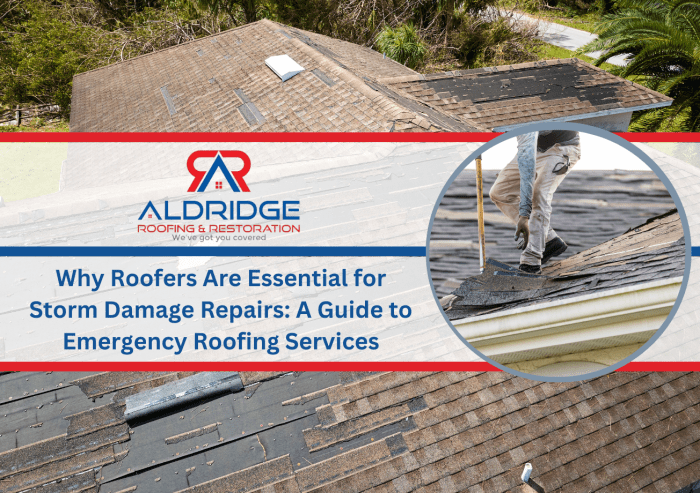
When a storm hits, immediate action is crucial to address any damage to your roof. Ignoring repairs can lead to further structural issues and safety hazards for you and your family.
Risks of Delaying Repairs
- Water leaks: Delaying repairs can result in water seeping into your home, causing damage to your ceilings, walls, and belongings.
- Mold growth: Moisture from a leaky roof can create the perfect environment for mold to thrive, posing health risks to occupants.
- Structural damage: Over time, the integrity of your roof can be compromised, leading to more extensive and costly repairs.
Common Damages Caused by Storms
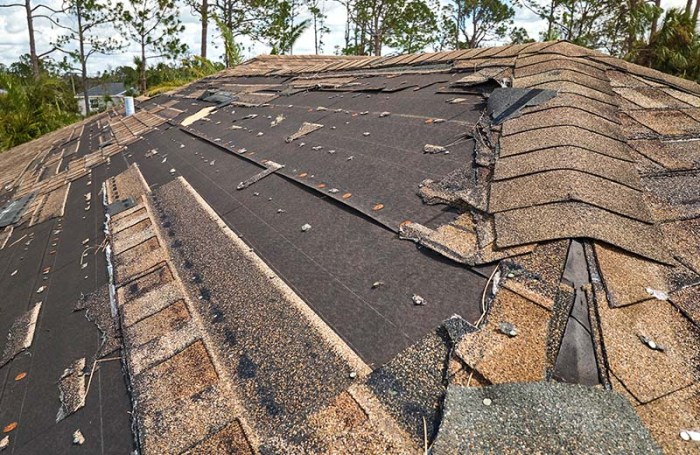
- Missing shingles: High winds can easily dislodge shingles, leaving your roof vulnerable to leaks.
- Tree damage: Falling branches or trees during a storm can cause significant damage to your roof.
- Hail damage: Hailstones can dent or puncture roofing materials, leading to water infiltration.
- Flashing damage: Storms can damage the flashing around vents, chimneys, and skylights, increasing the risk of leaks.
Steps to Take After a Storm
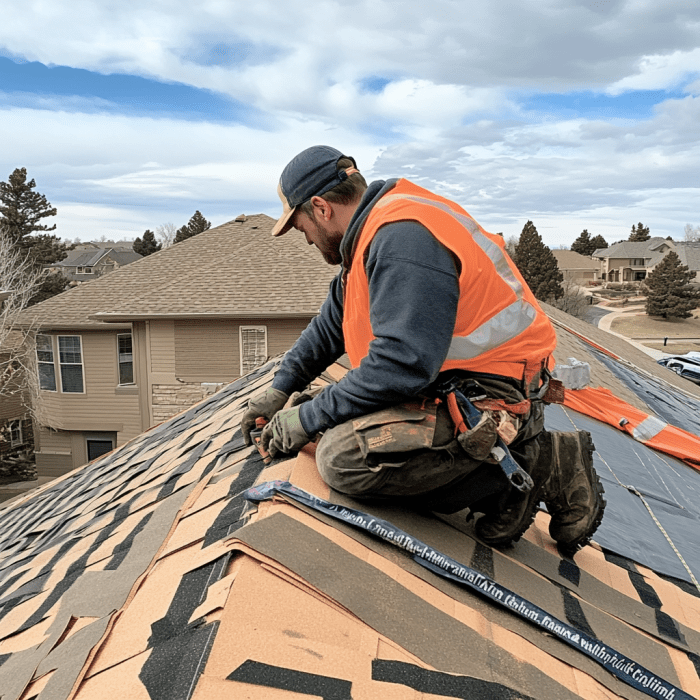
After a storm has passed, it is crucial to assess the damage to your roof promptly to prevent further issues. Here are the steps you should take to address the situation effectively.
Initial Inspection Process
Once it is safe to do so, visually inspect your roof from the ground. Look for any obvious signs of damage such as missing or damaged shingles, dents, or debris. If you can do so safely, you may also climb onto your roof to get a closer look.
Assessing the Extent of Damage
After the initial inspection, it is essential to assess the extent of the damage. Check for leaks or water stains on your ceiling, which can indicate roof damage. Inspect your attic for signs of water infiltration or daylight coming through the roof.
Prioritizing Repair Tasks
Once you have identified the areas of damage, prioritize repair tasks based on the severity of the issues. Address any leaks or structural damage first to prevent further water damage to your home. Then, move on to repairing cosmetic damage such as missing shingles.
Temporary Solutions for Roof Damage
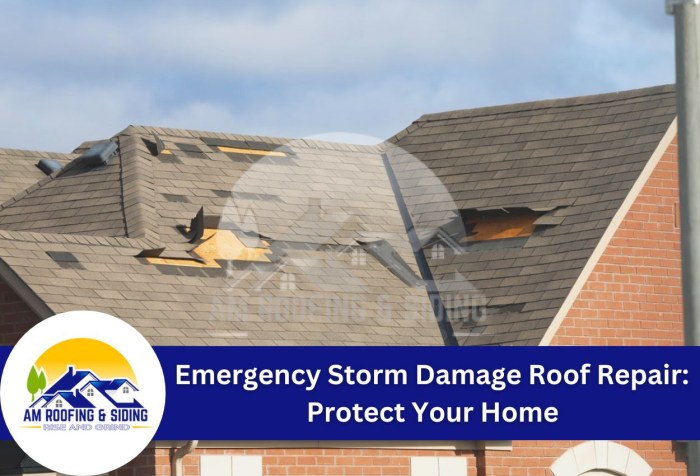
When facing roof damage after a storm, it's crucial to address the issue promptly to prevent further destruction to your property. Temporary solutions can help mitigate the damage while you wait for professional repairs.Temporary fixes can include:
Tarping the Roof
- Covering the damaged area with a tarp secured with boards or nails.
- Helps prevent water from entering your home and causing additional harm.
Sealing Leaks
- Using roofing cement or sealant to temporarily seal leaks.
- Provides a quick solution to stop water from entering your home.
Clearing Debris
- Removing debris from the roof to prevent further damage or blockages.
- Ensures proper drainage and reduces the risk of leaks.
Temporary repairs can be effective in preventing further damage to your home, but they are not a permanent solution. It's essential to contact a professional roofer to assess the damage and perform necessary repairs.Safety measures when applying temporary solutions include:
- Using proper safety equipment such as gloves, goggles, and non-slip footwear.
- Avoiding working on the roof during severe weather conditions.
- Being cautious of slippery surfaces and unstable roofing materials.
Hiring Professional Roofing Services
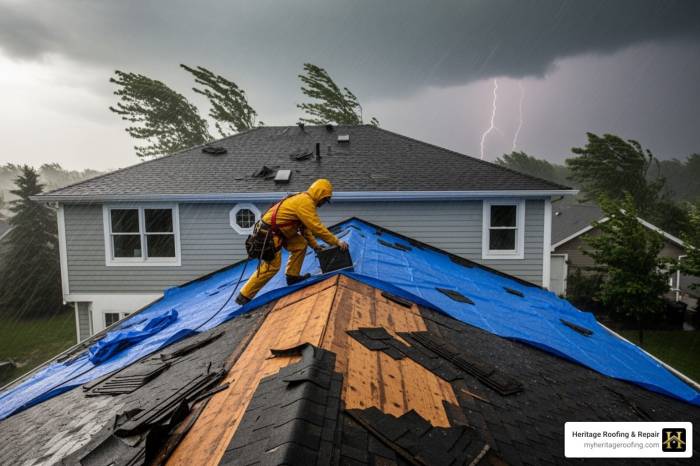
When it comes to repairing your storm-damaged roof, hiring professional roofing services can offer a range of benefits. These experts have the knowledge, experience, and tools necessary to assess the damage accurately and provide effective solutions. Here is why you should consider hiring professionals:
Types of Roofing Professionals
There are different types of roofing professionals available, including:
- Roofing Contractors: These professionals specialize in the installation, repair, and maintenance of roofs. They are licensed and insured, ensuring quality workmanship.
- Roofing Inspectors: Inspectors assess the condition of your roof and identify any issues that need to be addressed. They can provide expert recommendations for repairs.
- Roofing Consultants: Consultants offer advice on the best roofing materials, designs, and solutions for your specific needs.
Choosing the Right Contractor
When selecting a roofing contractor for your storm damage repair, consider the following factors:
- License and Insurance: Make sure the contractor is licensed and insured to protect yourself from liability.
- Experience and Reputation: Look for a contractor with a proven track record of successful projects and positive reviews from past clients.
- Written Estimates: Get detailed written estimates from multiple contractors to compare prices and services offered.
- Warranty: Ensure the contractor offers a warranty on their workmanship to guarantee the quality of repairs.
- Communication: Choose a contractor who communicates effectively and keeps you informed throughout the repair process.
Insurance Coverage for Storm Damage
In the event of a storm damaging your roof, it's crucial to understand your insurance coverage to ensure you can get the necessary repairs done promptly and efficiently. Here's what you need to know:
Typical Coverage for Roof Repairs
- Most homeowner's insurance policies typically cover damage caused by storms, including wind, hail, and fallen trees.
- Insurance may also cover the cost of temporary repairs to prevent further damage to your roof.
- It's important to review your policy to understand the extent of your coverage for roof repairs.
Claims Process with Insurance Companies
- After the storm, document the damage by taking photos and videos to support your insurance claim.
- Contact your insurance company as soon as possible to report the damage and initiate the claims process.
- An insurance adjuster will assess the damage and provide an estimate for the repairs.
Tips for Maximizing Insurance Claims
- Keep records of all communication with your insurance company, including claim numbers and adjuster's contact information.
- Get multiple estimates from reputable roofing contractors to ensure the insurance settlement is fair and accurate.
- Don't hesitate to ask questions and seek clarification on any aspects of the claims process or coverage.
DIY Roof Repair Safety Measures
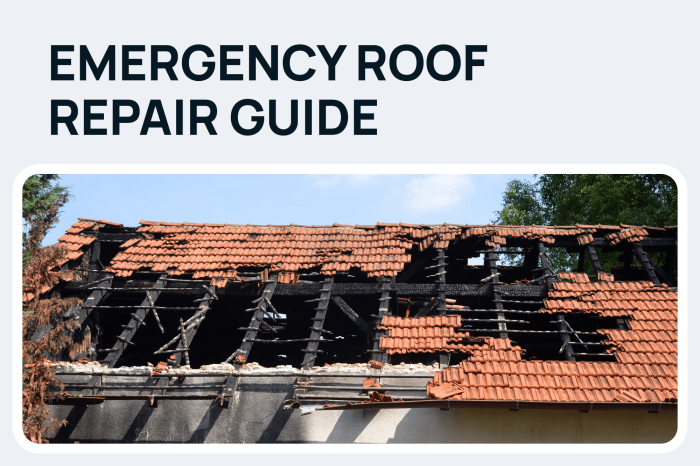
When it comes to DIY roof repairs, safety should always be the top priority. Working on a roof can be dangerous, so it's essential to take the necessary precautions to prevent accidents or injuries. Below are some safety measures to keep in mind before attempting any DIY repairs on your roof.
Safety Precautions for DIY Repairs
- Always wear appropriate safety gear, including non-slip shoes, gloves, and a hard hat.
- Never work on a wet or icy roof to avoid slipping and falling.
- Use a sturdy ladder and have someone else present to assist or in case of an emergency.
- Avoid working near power lines and always be aware of your surroundings.
- If you're not comfortable or unsure about the repair, it's best to call a professional roofer.
Tools Needed for Basic Repairs
- Roofing hammer
- Roofing nails
- Roofing cement or sealant
- Roofing shingles or patches
- Roofing tape or mesh
Step-by-Step for Minor Fixes
- Assess the damage and determine the extent of the repair needed.
- Clean the area around the damaged spot to ensure proper adhesion of repair materials.
- Apply roofing cement or sealant to the damaged area, covering it completely.
- Place a patch or shingle over the repair area and secure it with roofing nails.
- Apply additional roofing cement or sealant around the edges of the patch to prevent leaks.
- Allow the repair to dry and cure completely before checking for any leaks or further damage.
Final Thoughts
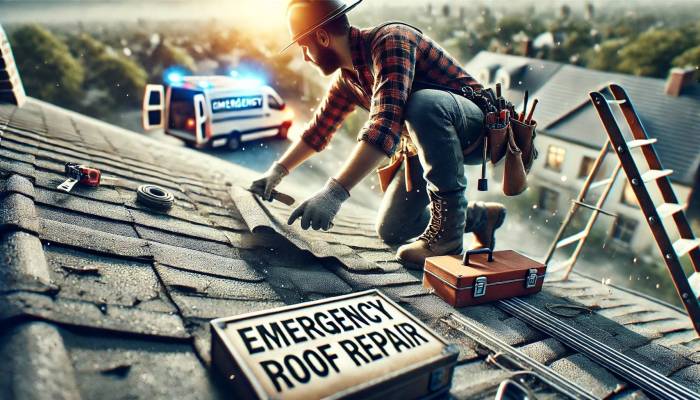
In conclusion, being prepared for emergency storm roof repair can save you time, money, and stress in the long run. By following the guidelines Artikeld in this comprehensive guide, you can effectively protect your home and loved ones from the aftermath of severe weather conditions.
Questions Often Asked
What are the risks of delaying emergency storm roof repairs?
Delaying repairs can lead to further damage to your roof, potentially causing leaks, mold growth, and structural issues.
How do I choose the right roofing contractor for emergency repairs?
Look for licensed and insured contractors with experience in storm damage repairs. Ask for references and compare quotes before making a decision.
Does insurance typically cover emergency storm roof repairs?
Most homeowners' insurance policies cover storm damage to roofs, but coverage may vary. Review your policy and contact your insurance provider for details.
What safety precautions should I take when attempting DIY roof repairs?
Always use proper safety gear, work with a partner if possible, and avoid working on the roof during wet or windy conditions.
Are temporary roof fixes effective in the long term?
Temporary fixes are meant to provide temporary relief until permanent repairs can be made. They are not a long-term solution and should be addressed promptly.