
Commercial roofing specialists in the USA play a crucial role in ensuring the structural integrity and longevity of buildings. Their expertise and skills are essential for successful roofing projects, making them indispensable in the construction industry. This article delves into the world of commercial roofing specialists, shedding light on their significance and impact in the field.
As we navigate through the intricate details of the qualifications, safety standards, and sustainable practices of these specialists, a comprehensive understanding of their role and importance will be unveiled.
Overview of Commercial Roofing Specialists in the USA
Commercial roofing specialists play a crucial role in ensuring the durability and integrity of commercial building roofs. These professionals are experts in handling the unique challenges and requirements of commercial roofing projects, which differ significantly from residential roofing.
Importance of Hiring Specialists for Commercial Roofing Projects
When it comes to commercial roofing, hiring specialists is essential to guarantee the success of the project. Their expertise and experience in dealing with large-scale roofs and complex structures make them invaluable assets in ensuring the safety and longevity of the building.
- Specialized Knowledge: Commercial roofing specialists possess in-depth knowledge of various roofing materials, techniques, and industry standards.
- Regulatory Compliance: They are well-versed in local building codes and regulations, ensuring that the roofing project meets all legal requirements.
- Efficiency and Safety: Specialists have the tools, equipment, and training to efficiently and safely complete commercial roofing projects, minimizing risks and delays.
- Quality Assurance: Their attention to detail and commitment to quality workmanship result in durable and high-performance roofing systems that stand the test of time.
Specific Expertise Required for Commercial Roofing Specialists
Commercial roofing specialists need a unique set of skills and expertise to handle the complexities of commercial roofing projects effectively.
- Experience with Commercial Roofing Systems: Specialists should have experience working with various types of commercial roofing systems, such as built-up, single-ply, and metal roofs.
- Project Management Skills: They must be able to coordinate and manage large-scale roofing projects efficiently, ensuring timely completion and adherence to budgets.
- Problem-Solving Abilities: The ability to identify and address roofing issues quickly and effectively is crucial for commercial roofing specialists to deliver successful outcomes.
- Customer Service: Good communication and customer service skills are essential for interacting with clients, understanding their needs, and providing satisfactory solutions.
Types of Commercial Roofing Systems
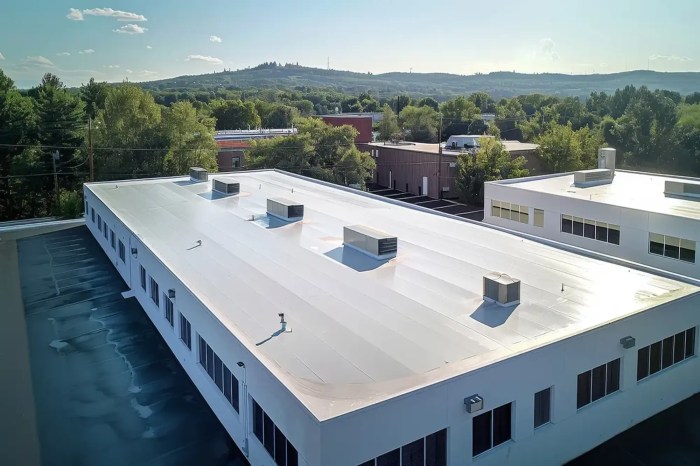
In the commercial roofing industry in the USA, there are several common types of roofing systems that are used for different commercial buildings. These roofing systems vary in terms of materials, durability, and cost-effectiveness, making them suitable for different types of commercial structures.
Single-Ply Membrane Roofing
Single-ply membrane roofing systems are popular for their ease of installation and cost-effectiveness. They are made from a single layer of synthetic materials like PVC, TPO, or EPDM. These roofing systems are known for their durability and resistance to UV rays, making them ideal for large commercial buildings like warehouses, factories, and shopping centers.
Built-Up Roofing (BUR)
Built-Up Roofing (BUR) systems consist of multiple layers of bitumen and reinforcing fabrics that create a durable and long-lasting roof. While BUR systems may be more expensive than other roofing types, they provide excellent insulation and protection against the elements, making them suitable for buildings with heavy foot traffic, such as hospitals, schools, and hotels.
Metal Roofing
Metal roofing systems are highly durable and long-lasting, with a lifespan of 40-70 years. They are lightweight, fire-resistant, and require minimal maintenance. Metal roofing is commonly used in commercial buildings like offices, retail stores, and restaurants due to its modern aesthetic and energy efficiency.
Modified Bitumen Roofing
Modified Bitumen roofing systems are a hybrid of built-up and single-ply roofing systems, consisting of reinforced asphalt membranes. They are known for their flexibility and resistance to extreme temperatures, making them ideal for commercial buildings in regions with fluctuating weather conditions, such as warehouses, distribution centers, and cold storage facilities.
Green Roofing
Green roofing systems involve the installation of vegetation on the roof surface, providing natural insulation, reducing energy costs, and improving air quality. While green roofing systems are more expensive to install initially, they offer long-term cost savings and environmental benefits.
They are commonly found in commercial buildings like eco-friendly offices, hotels, and educational institutions striving for sustainability.
Qualifications and Certifications
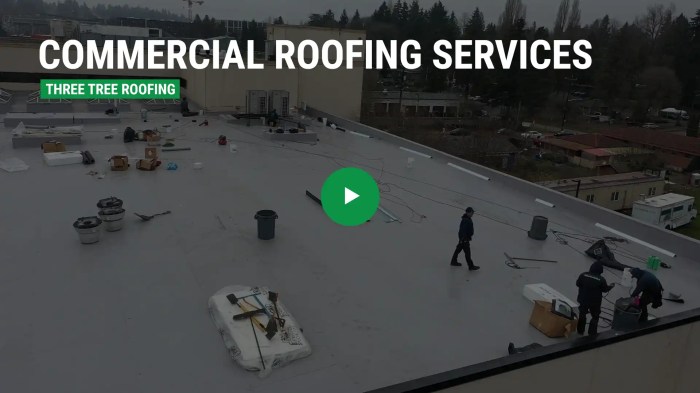
To work as a commercial roofing specialist in the USA, individuals must possess certain essential qualifications and certifications that demonstrate their expertise in the field.
Essential Qualifications
- High school diploma or equivalent
- Apprenticeship or training program completion
- Knowledge of commercial roofing materials and techniques
- Experience in commercial roofing projects
Significance of Certifications
Certifications play a crucial role in the commercial roofing industry as they validate a specialist's skills and knowledge. They ensure that the individual has undergone specific training and has met certain standards set by industry organizations.
Impact on Work Quality
Certifications directly impact the quality of work provided by commercial roofing specialists. Having certifications demonstrates a commitment to professionalism and excellence in the field. It also instills confidence in clients that the specialist has the necessary expertise to handle their roofing needs effectively.
Safety Standards and Regulations
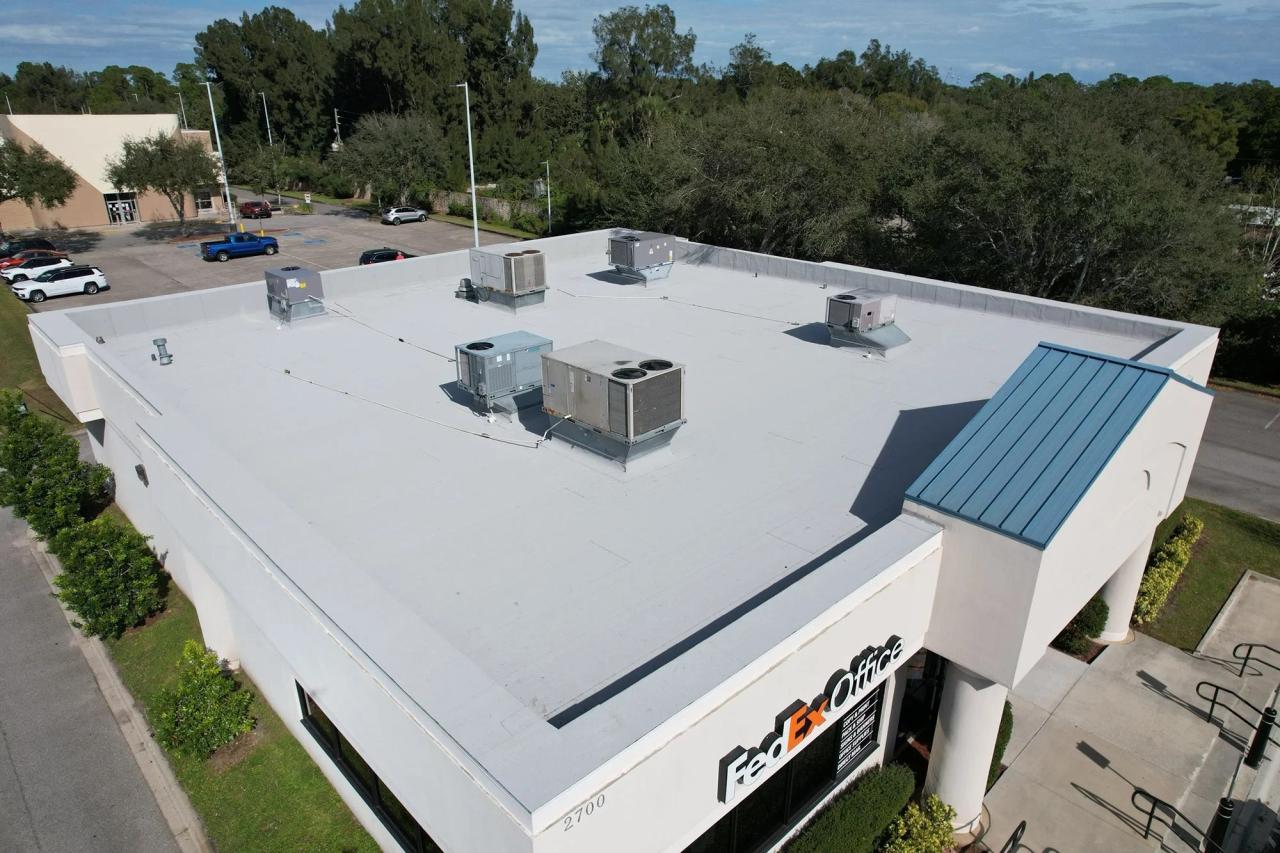
In the United States, commercial roofing specialists are required to adhere to strict safety standards and regulations to ensure the well-being of their workers and the successful completion of roofing projects. These standards are put in place to prevent accidents, injuries, and fatalities on job sites.
Safety Measures Implemented
- Proper Training: Reputable commercial roofing specialists ensure that their workers receive comprehensive safety training before starting any project. This includes instruction on how to use safety equipment, proper lifting techniques, and emergency procedures.
- Personal Protective Equipment (PPE): Workers are provided with and required to wear appropriate PPE such as helmets, gloves, safety glasses, and harnesses to protect themselves from potential hazards.
- Fall Protection: To prevent falls from heights, safety measures like guardrails, safety nets, and harness systems are implemented on roofing projects. Regular inspections of these systems are also carried out to ensure they are in proper working condition.
- Site Safety Inspections: Regular inspections of the work site are conducted to identify and address any safety hazards. This includes checking for slippery surfaces, tripping hazards, and proper storage of materials and equipment.
- Compliance with OSHA Regulations: Commercial roofing specialists must comply with the safety regulations set by the Occupational Safety and Health Administration (OSHA) to maintain a safe work environment for their employees.
Key Considerations for Hiring a Commercial Roofing Specialist
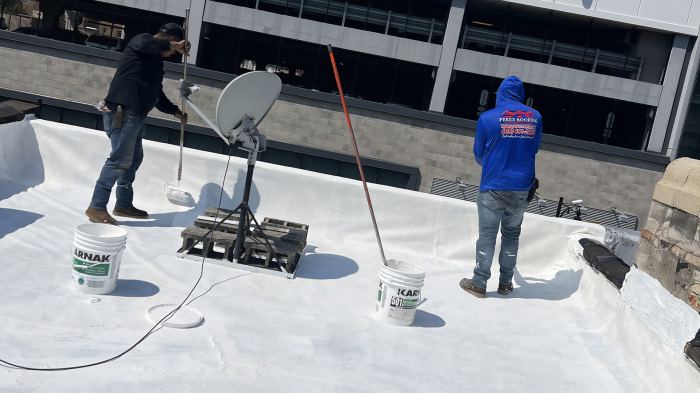
When it comes to selecting a commercial roofing specialist for your project, there are several key factors to consider to ensure you choose the right professional for the job.
Importance of Conducting Background Checks and Verifying Credentials
Before hiring a commercial roofing specialist, it is crucial to conduct thorough background checks and verify their credentials. This will help you ensure that the specialist has the necessary qualifications and experience to handle your roofing project effectively.
- Verify the specialist's license and insurance to confirm they are compliant with local regulations and covered in case of any accidents.
- Check for any certifications or professional affiliations that demonstrate the specialist's commitment to quality and industry standards.
- Review past projects and client testimonials to gauge the specialist's reputation and level of expertise in commercial roofing.
Benefits of Choosing a Reputable and Experienced Commercial Roofing Specialist
Opting for a reputable and experienced commercial roofing specialist can offer various advantages for your project and peace of mind.
-
High-quality workmanship: A reputable specialist is likely to deliver superior craftsmanship and use top-quality materials for your commercial roof.
-
Reliable service: An experienced specialist will adhere to timelines, communicate effectively, and ensure that your project is completed efficiently and within budget.
-
Expert advice: With years of experience, a seasoned specialist can provide valuable insights and recommendations for your specific roofing needs.
-
Warranty and support: Reputable specialists often offer warranties on their work, providing you with added protection and support in case of any issues post-installation.
Sustainable Roofing Practices in Commercial Projects
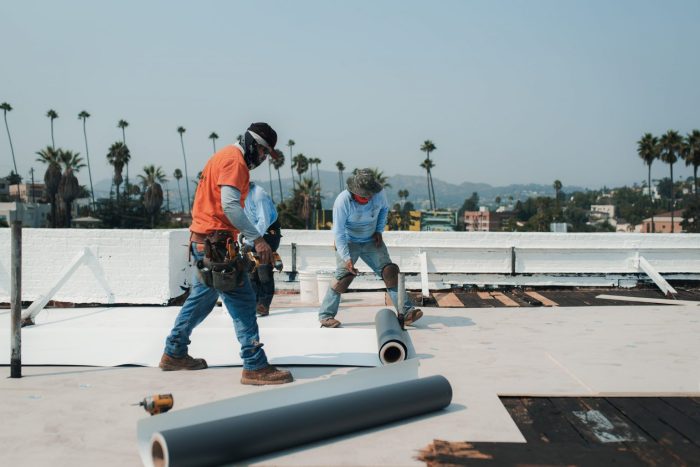
Sustainable roofing practices play a crucial role in the construction industry, especially in commercial projects. By adopting environmentally friendly solutions, commercial roofing specialists in the USA contribute to reducing carbon footprint and promoting a greener environment.
Benefits of Sustainable Roofing Materials
- Enhanced Energy Efficiency: Sustainable roofing materials such as cool roofs or green roofs help in reducing energy consumption by maintaining optimal indoor temperatures.
- Longevity and Durability: Eco-friendly roofing solutions are designed to last longer, reducing the need for frequent replacements and minimizing waste.
- Improved Indoor Air Quality: Some sustainable roofing materials are capable of filtering pollutants and improving indoor air quality, creating a healthier environment for building occupants.
Examples of Eco-Friendly Roofing Solutions
- Solar Panels: Many commercial roofing specialists offer solar panel installations, allowing businesses to harness renewable energy sources and reduce electricity costs.
- Vegetative Roofs: Green roofs with vegetation not only provide insulation and reduce stormwater runoff but also create green spaces in urban areas, promoting biodiversity.
- Recycled Materials: Using recycled materials like reclaimed wood or rubber roofing products helps in diverting waste from landfills and reducing the environmental impact of roofing projects.
Last Recap
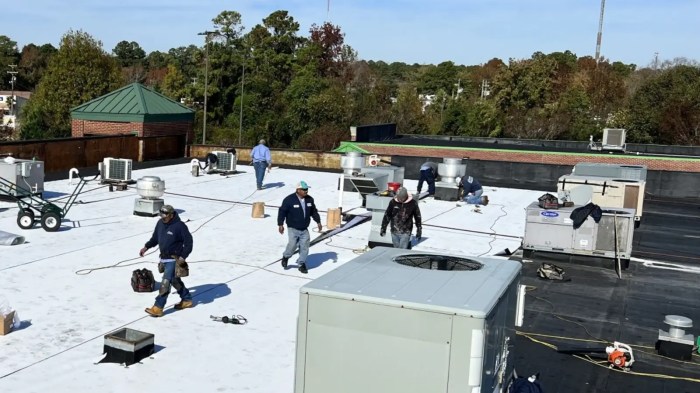
In conclusion, commercial roofing specialists in the USA are the unsung heroes behind sturdy and reliable roofs that protect businesses and properties. Their commitment to excellence, adherence to safety regulations, and embrace of sustainable practices make them invaluable assets in the realm of construction.
By prioritizing the hiring of reputable specialists, businesses can ensure the durability and quality of their roofing projects for years to come.
FAQ Section
What qualifications are required for commercial roofing specialists in the USA?
Commercial roofing specialists in the USA typically need to have experience in commercial roofing, knowledge of various roofing systems, and relevant certifications such as OSHA safety training.
How do certifications impact the quality of work provided by commercial roofing specialists?
Certifications demonstrate that a commercial roofing specialist has met certain industry standards and possesses the necessary skills to perform high-quality work. They instill confidence in clients regarding the specialist's expertise and professionalism.
What are some key factors to consider when hiring a commercial roofing specialist?
When hiring a commercial roofing specialist, it's important to consider their experience, reputation, pricing, insurance coverage, and past project examples. Conducting thorough background checks and verifying credentials can help in making an informed decision.