
Delving into the world of industrial roof installation financing, this article aims to shed light on the various options available to businesses looking to undertake such projects. From the importance of financing to the benefits it offers, we uncover key insights to help you make informed decisions.
Understanding Industrial Roof Installation Financing
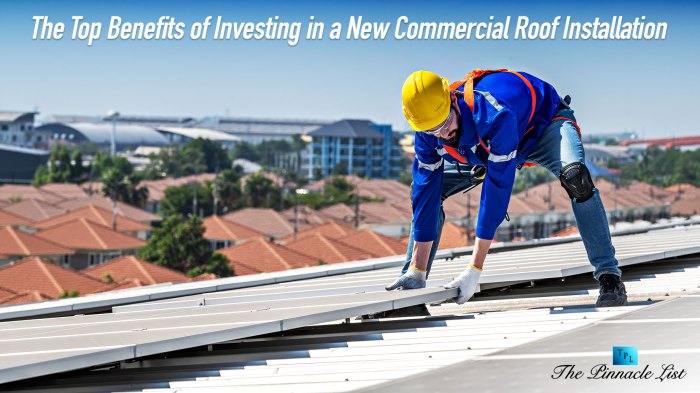
When it comes to industrial roof installations, having suitable financing options in place is crucial for businesses looking to undertake such projects. Whether it's a new roof installation, repairs, or upgrades, the cost involved can be significant, making financing an essential aspect of the planning process.
Importance of Financing Options
Financing options provide businesses with the flexibility to manage the costs associated with industrial roof installations. By spreading out the expenses over time, companies can avoid a large upfront financial burden and ensure that the project moves forward smoothly.
Common Challenges
- High upfront costs: Industrial roof installations can require a substantial investment, which may not always be feasible for businesses to cover all at once.
- Unforeseen repairs: Unexpected roof damages or issues can arise, adding to the overall project costs and potentially straining the budget.
- Cash flow constraints: Limited cash flow can hinder businesses from investing in necessary roof installations or repairs, affecting the overall operations.
Financing Options
There are several financing options available to businesses for industrial roof projects, including:
- Bank loans: Traditional bank loans offer businesses a lump sum amount with fixed repayment terms for roof installations.
- Equipment financing: Financing specifically for roofing equipment and materials can help offset the costs of industrial roof projects.
- Leasing options: Leasing arrangements allow businesses to use the roof installation without owning it outright, providing a more affordable payment structure.
- Government grants or incentives: Some government programs offer financial assistance or tax incentives for businesses investing in energy-efficient roof installations.
Benefits of Financing Industrial Roof Installations
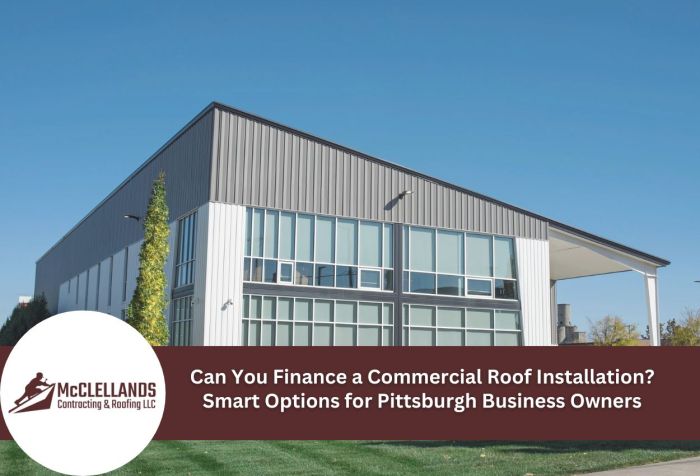
When it comes to industrial roof installations, financing can offer several advantages over upfront payment. Let's explore the benefits of choosing financing for your industrial roof project.
Comparing Different Financing Models
There are various financing models available for industrial roof installations, each with its own set of advantages. Some common options include:
- Leasing: Allows businesses to use the roof without owning it outright, providing flexibility and potential tax benefits.
- Loans: Provide upfront funds for the roof project, with fixed repayment terms over a set period of time.
- PACE Financing: Offers long-term financing for energy-efficient roofing projects, with payments tied to property taxes.
Success Stories of Businesses Utilizing Financing
Many businesses have successfully utilized financing for their industrial roof projects, experiencing benefits such as:
- Improved cash flow: By spreading out payments over time, businesses can avoid a large upfront expense.
- Opportunity for upgrades: Financing allows businesses to invest in high-quality roofing materials or energy-efficient solutions that may have been unaffordable upfront.
- Tax advantages: Depending on the financing model chosen, businesses may benefit from tax deductions or credits related to their roofing project.
Factors to Consider When Choosing Financing for Industrial Roof Installation
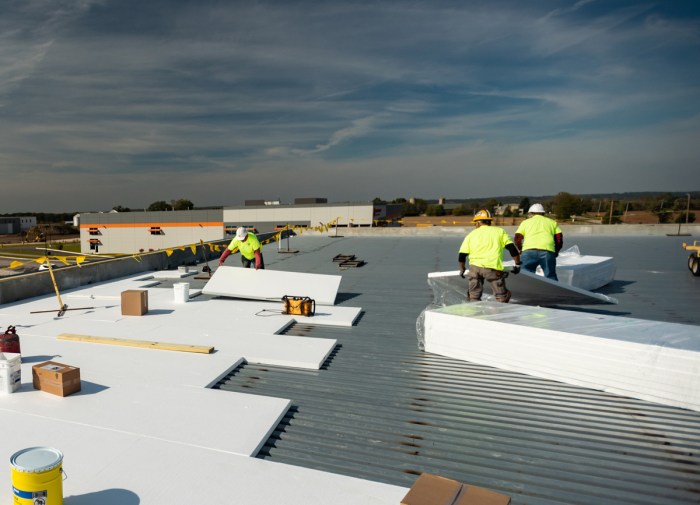
When selecting financing for industrial roof installations, businesses need to carefully consider several key factors to ensure they make the right choice. From interest rates to negotiating terms, each decision can impact the overall cost and success of the project.
Impact of Interest Rates on Long-Term Financing
Interest rates play a crucial role in determining the total cost of financing for industrial roof installations. Lower interest rates can lead to significant savings over the long term, while higher rates can increase the overall expense. Businesses should compare offers from different lenders to secure the most favorable rates for their financing needs.
Tips for Negotiating Favorable Financing Terms
1. Shop around
Don't settle for the first financing offer you receive. Compare rates and terms from multiple lenders to find the best deal.
2. Improve your credit score
A higher credit score can help you qualify for lower interest rates and better financing terms.
3. Consider a larger down payment
Putting more money down upfront can reduce the amount you need to finance and lead to better terms.
4. Be prepared to negotiate
Don't be afraid to ask for better terms or to negotiate with lenders. You may be able to secure a more favorable deal with some negotiation.
5. Read the fine print
Make sure you understand all the terms and conditions of the financing agreement before signing. Look out for hidden fees or penalties that could increase the cost of the loan.
Case Studies
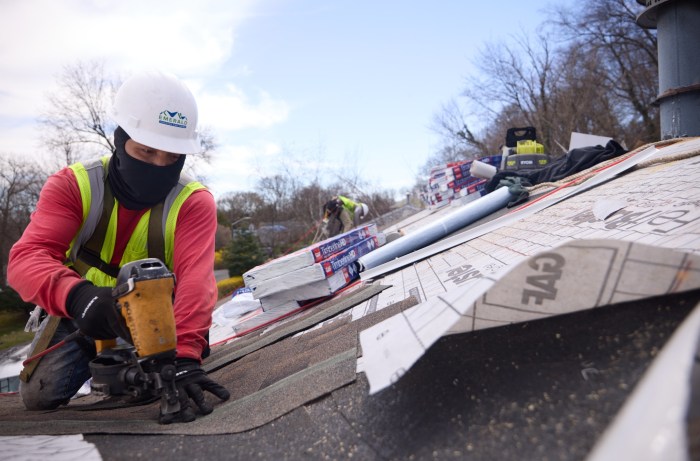
In this section, we will analyze real-life examples of industrial roof projects financed through various methods and explore the impact of financing options on the quality and timeline of these projects.
Industrial Roof Project 1: Financing through Bank Loan
- An industrial facility in need of a roof replacement decided to finance the project through a bank loan.
- The ROI of this financing method was measured by comparing the interest paid on the loan to the energy savings and increased property value resulting from the new roof.
- Despite the initial cost of the loan, the long-term benefits of the new roof outweighed the financial burden, leading to a positive ROI over time.
Industrial Roof Project 2: Financing through Lease Agreement
- Another industrial property opted to finance their roof installation through a lease agreement with a roofing company.
- While the upfront costs were lower compared to a bank loan, the overall cost of the lease over time was higher due to interest and fees.
- However, the quality of the installation was maintained as per the agreement, ensuring a timely completion of the project.
Final Wrap-Up
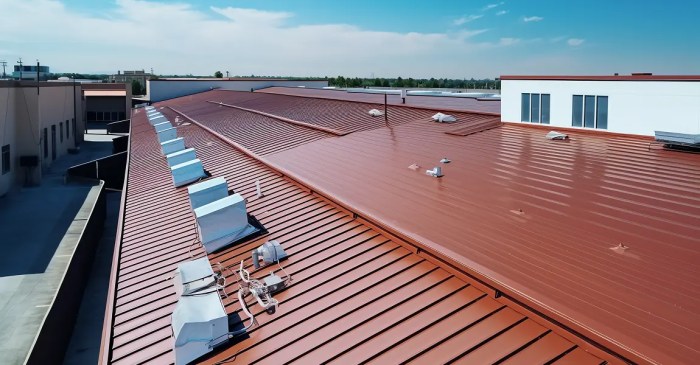
In conclusion, industrial roof installation financing plays a crucial role in the successful completion of projects for businesses. By carefully considering the factors and options discussed, companies can navigate this process with confidence and achieve their desired outcomes.
Clarifying Questions
What are the common challenges faced by businesses when financing industrial roof projects?
Businesses often encounter difficulties with high upfront costs, complex financing terms, and securing favorable interest rates for industrial roof installations.
How do different financing models for industrial roof installations compare?
Various financing models differ in terms of repayment schedules, interest rates, and flexibility, offering businesses options to choose what best suits their financial needs.
What impact do interest rates have on long-term financing for industrial roofs?
Interest rates can significantly affect the overall cost of financing industrial roof projects over time, making it crucial for businesses to assess and negotiate favorable terms.