
Embark on a journey into the realm of roofing and siding installation, where the foundation of your home's exterior is shaped with precision and expertise. This guide offers insights that blend practicality with creativity, ensuring a seamless process from start to finish.
Delve into the nuances of roofing materials, siding options, installation processes, cost factors, and maintenance tips as you navigate through the world of home improvement.
Roofing Materials
When it comes to roofing materials, there are several options available, each with its own set of advantages and disadvantages. It is essential to consider factors such as durability, cost, maintenance requirements, and suitability for different climates when choosing the right material for your roof.
Asphalt Shingles
Asphalt shingles are one of the most popular roofing materials due to their affordability and ease of installation. They come in a variety of colors and styles to suit different architectural designs. However, asphalt shingles are less durable compared to other materials and may require more frequent maintenance, especially in areas with extreme weather conditions.
Metal Roofing
Metal roofing is known for its longevity and durability, making it a popular choice for homeowners looking for a long-term roofing solution. It is resistant to fire, mildew, and insects, making it a low-maintenance option. Metal roofing is also energy-efficient and can help reduce energy costs.
However, metal roofing tends to be more expensive than asphalt shingles and may be prone to denting in severe weather conditions.
Clay Tiles
Clay tiles are a traditional roofing material known for their aesthetic appeal and durability. They are resistant to fire, insects, and rot, making them a long-lasting option for homes in warmer climates. However, clay tiles can be heavy, requiring a strong roofing structure to support their weight.
They can also be costly to install and may be prone to breakage in colder climates.
Wood Shakes
Wood shakes offer a natural and rustic look to a home, making them a popular choice for homeowners seeking a traditional aesthetic. They are environmentally friendly and provide good insulation. However, wood shakes require regular maintenance to prevent rot, mold, and insect infestations.
They are also flammable, so additional fire-resistant treatments may be necessary.
Slate Roofing
Slate roofing is a high-end roofing material known for its elegance and longevity. It is fire-resistant, waterproof, and requires minimal maintenance. Slate roofs can last for decades, making them a worthwhile investment for homeowners looking for a durable and visually appealing option.
However, slate roofing is one of the most expensive roofing materials and may be more challenging to install due to its weight.
Siding Options
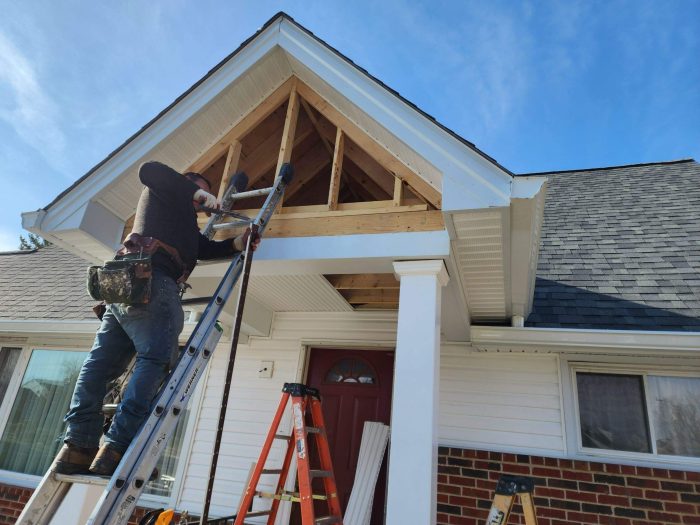
When it comes to siding options for your home, there are several materials to choose from, each with its own benefits and considerations. Let's explore some of the popular choices available in the market.
Vinyl Siding
Vinyl siding is a popular choice due to its affordability and low maintenance requirements. It is durable, resistant to rot and insects, and comes in a variety of colors and styles. However, it may crack or fade over time.
Wood Siding
Wood siding offers a classic and natural look to your home. It can be painted or stained in various colors and is biodegradable. However, wood siding requires regular maintenance, such as painting or staining, to prevent rot and insect damage.
Fiber Cement Siding
Fiber cement siding is a durable and low-maintenance option that resembles wood but is resistant to fire, rot, and insects. It comes in a variety of styles and can be painted to suit your preferences. However, it is heavier and may require professional installation.
Metal Siding
Metal siding, such as aluminum or steel, is known for its durability and resistance to fire, rot, and insects. It is lightweight and can be painted in various colors. However, metal siding may dent and can be noisy during rain or hailstorms.
Brick Siding
Brick siding offers a timeless and elegant look to your home. It is durable, fire-resistant, and requires minimal maintenance. However, brick siding is expensive to install and may be challenging to repair if damaged.
Comparison of Durability and Maintenance
- Vinyl siding: Low maintenance, may crack or fade over time.
- Wood siding: Requires regular maintenance to prevent rot and insect damage.
- Fiber cement siding: Durable and low maintenance, but heavier and may require professional installation.
- Metal siding: Durable and resistant, but may dent and be noisy during storms.
- Brick siding: Durable and fire-resistant, but expensive to install and repair.
Aesthetic Appeal of Different Siding Options
- Vinyl siding: Versatile colors and styles available.
- Wood siding: Classic and natural look, can be painted or stained.
- Fiber cement siding: Resembles wood but offers durability and various styles.
- Metal siding: Modern and sleek appearance, can be painted in different colors.
- Brick siding: Timeless and elegant, adds a sense of luxury to your home.
Installation Process
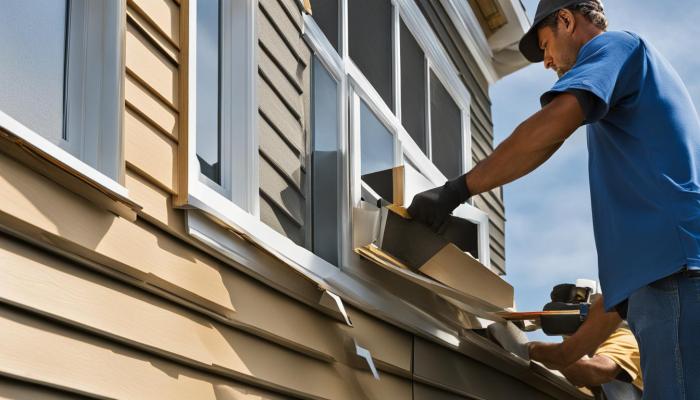
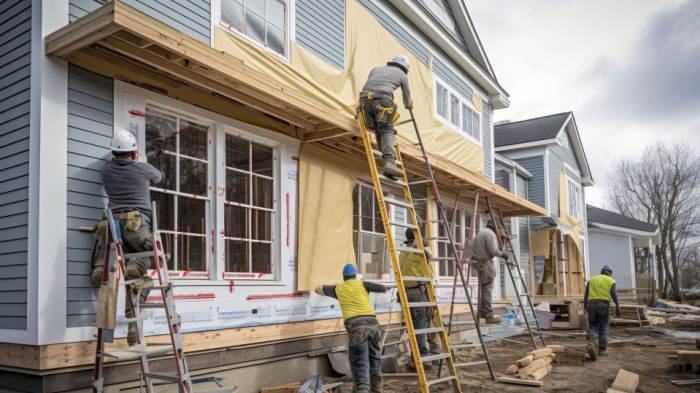
When it comes to roofing and siding installation, following the correct process is crucial to ensuring a durable and aesthetically pleasing outcome. Let's break down the step-by-step process of roofing installation, key considerations for siding installation, and important safety measures to keep in mind.
Roofing Installation Process
Roofing installation involves several key steps to ensure a secure and durable roof for your home:
- 1. Preparation of the roof deck, including inspection for any necessary repairs.
- 2. Installation of underlayment to provide an additional layer of protection against moisture.
- 3. Installation of drip edge and flashing to prevent water damage.
- 4. Placement of roofing materials, such as shingles or metal panels, following the manufacturer's guidelines.
- 5. Ridge cap installation to seal the peaks of the roof.
- 6. Final inspection to ensure the roof is properly installed and sealed.
Key Considerations for Siding Installation
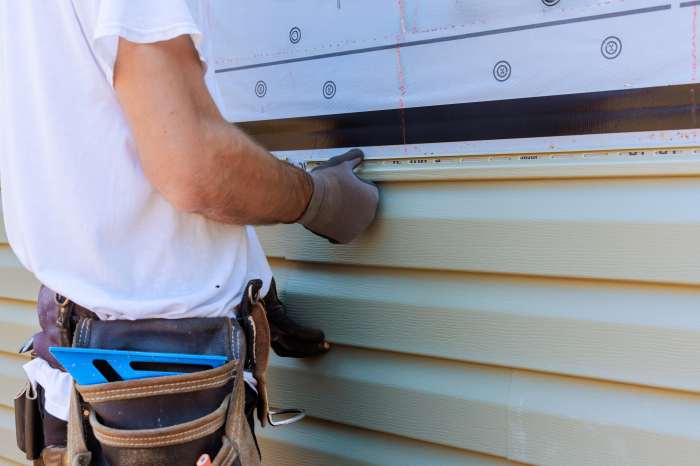
Properly installing siding is essential for protecting your home's exterior and enhancing its curb appeal. Here are some key considerations to keep in mind:
- 1. Choosing the right type of siding material based on your climate and aesthetic preferences.
- 2. Properly preparing the exterior walls by cleaning and repairing any damage or rot.
- 3. Ensuring proper insulation and moisture barriers are in place before installing the siding.
- 4. Following manufacturer guidelines for installation to ensure a secure attachment and proper alignment.
- 5. Sealing joints and seams to prevent water infiltration and maintain energy efficiency.
Safety Measures during Installation
Roofing and siding installation can be hazardous tasks, so it's essential to prioritize safety throughout the process:
- 1. Use proper safety equipment, such as harnesses, gloves, and helmets, to prevent falls and injuries.
- 2. Work with a partner or team to ensure someone is available to assist in case of emergencies.
- 3. Be cautious of electrical wires, sharp tools, and unstable surfaces when working at heights.
- 4. Follow all manufacturer instructions and safety guidelines for the tools and materials being used.
Cost Factors
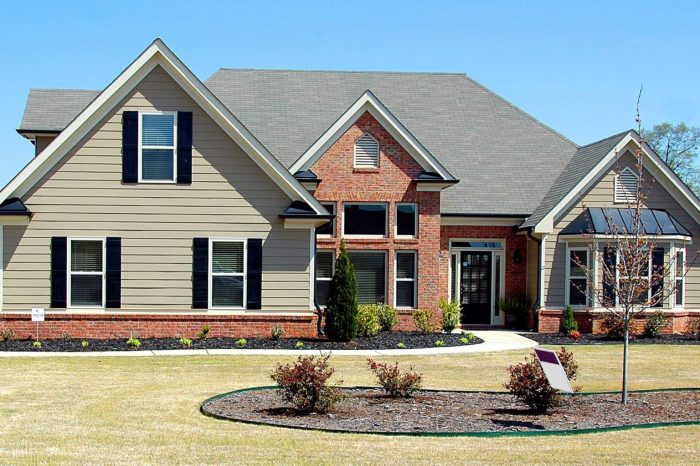
When it comes to roofing and siding installations, there are several cost factors to consider. These factors can significantly impact the overall budget for your project. Understanding these cost factors and how they influence the total cost can help you plan and budget effectively.
Impact of Materials
The choice of materials plays a crucial role in determining the overall cost of your roofing and siding project. High-quality materials such as metal roofing or fiber cement siding tend to be more expensive upfront but can offer greater durability and longevity, potentially saving you money in the long run on repairs and replacements.
- Consider the initial cost versus the lifespan of the materials. Cheaper materials may need more frequent repairs or replacements, ultimately costing you more in the long term.
- Some materials, like asphalt shingles or vinyl siding, may be more budget-friendly upfront but may require more maintenance over time, adding to the overall cost.
- Energy-efficient materials, such as insulated siding or reflective roofing, can help reduce utility bills, offsetting their initial cost over time.
Effective Budgeting Tips
To budget effectively for your roofing and siding project, consider the following tips:
- Get multiple quotes from different contractors to compare prices and services offered.
- Set aside a contingency fund for any unexpected expenses that may arise during the installation process.
- Prioritize necessary repairs or replacements to address any structural issues before focusing on cosmetic upgrades.
- Explore financing options or payment plans to help manage the upfront cost of materials and labor.
- Consult with a professional to assess your specific needs and provide a detailed estimate based on the scope of work required.
Maintenance Tips
Proper maintenance is crucial for ensuring the longevity and performance of your roofing and siding. By following these tips, you can protect your investment and keep your home looking its best.
Maintaining Your Roof
- Regularly inspect your roof for any signs of damage, such as missing shingles, leaks, or sagging areas.
- Clean your gutters and downspouts to prevent water buildup and potential water damage.
- Trim overhanging branches to prevent them from rubbing against the roof and causing damage.
- Remove debris, such as leaves and branches, from your roof to prevent moisture buildup and potential rot.
- Consider scheduling professional roof inspections and maintenance at least once a year.
Prolonging the Lifespan of Your Siding
- Regularly clean your siding with a mild detergent and water to remove dirt and grime.
- Inspect your siding for any signs of damage, such as cracks, holes, or warping.
- Repair any damaged areas promptly to prevent further deterioration.
- Consider applying a fresh coat of paint or sealant to protect your siding from the elements.
- Avoid using pressure washers on your siding, as they can cause damage to the material.
Common Maintenance Issues to Watch Out For
- Mold and mildew growth on siding can be a common issue, especially in areas with high humidity. Regular cleaning and proper ventilation can help prevent this.
- Roof leaks can occur due to damaged shingles, flashing, or improper installation. Address any leaks promptly to prevent water damage to your home's interior.
- Hail damage can impact both roofing and siding. After a hailstorm, inspect your roof and siding for any signs of damage and contact a professional if needed.
End of Discussion
As we wrap up this exploration of roofing and siding installation, remember that a well-maintained exterior not only enhances the aesthetics of your home but also provides protection and durability for years to come. Whether you're embarking on a new project or seeking to refresh your existing structure, let this guide be your trusted companion in the journey towards a beautiful and resilient home.
Key Questions Answered
What are the best roofing materials for hot climates?
Light-colored metal roofs are great for hot climates as they reflect sunlight and heat, keeping your home cool.
How can I maintain the lifespan of my siding?
Regularly cleaning your siding, addressing any damage promptly, and applying protective coatings can help extend its lifespan.
What safety measures should I follow during roofing installation?
Always use proper safety equipment, work with a partner, and ensure the roof is dry and stable before starting any work.
How do different siding materials impact the overall cost of installation?
While vinyl siding is more affordable upfront, fiber cement siding may have a higher initial cost but lower maintenance expenses in the long run.
What are common maintenance issues homeowners face with roofing?
Issues like leaks, damaged shingles, and clogged gutters are common maintenance problems that homeowners may encounter with their roofs.