
Energy efficient roof installation is a crucial aspect of modern construction, offering not only cost-saving benefits but also environmental sustainability. As we delve into the world of energy-efficient roofing, we uncover a plethora of materials, techniques, and benefits that showcase the importance of this innovative approach.
Exploring the different types of materials, installation techniques, and long-term advantages, this guide aims to provide a holistic view of energy-efficient roof installations for homeowners and professionals alike.
Importance of Energy Efficient Roof Installation
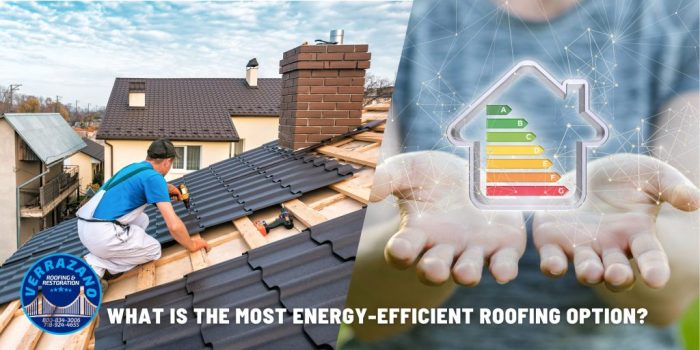
Energy efficient roof installation plays a crucial role in reducing energy consumption and promoting sustainability. By using materials and techniques that optimize energy usage, homeowners and businesses can lower their utility bills and minimize their environmental impact.
Materials Used in Energy-Efficient Roofing
- Reflective Roof Coatings: These coatings help reduce heat absorption, keeping the building cooler and reducing the need for air conditioning.
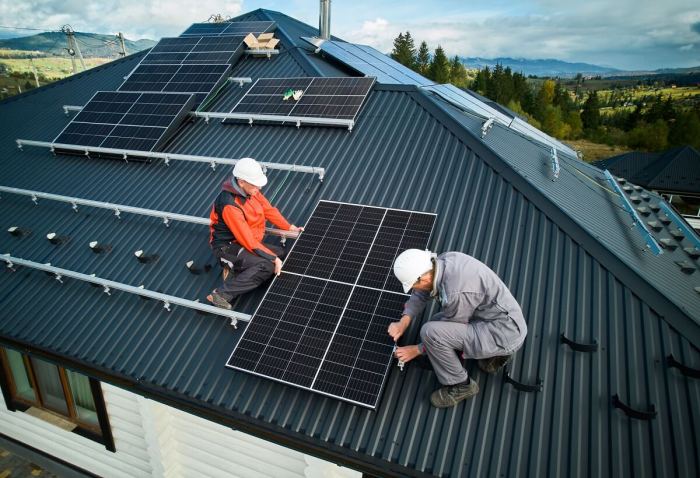
- Solar Panels: Installing solar panels on the roof can harness renewable energy and further decrease reliance on traditional power sources.
- Insulation: Proper insulation helps maintain a consistent indoor temperature, reducing the workload on heating and cooling systems.
Techniques for Energy-Efficient Roof Installations
- Cool Roofs: These roofs are designed to reflect sunlight and absorb less heat, keeping the building cooler and reducing energy usage.
- Proper Ventilation: Adequate ventilation in the attic helps reduce heat buildup and improve overall energy efficiency.
- Energy-Efficient Shingles: Choosing shingles with high solar reflectance and thermal emittance can enhance the roof's energy performance.
Types of Energy Efficient Roofing Materials
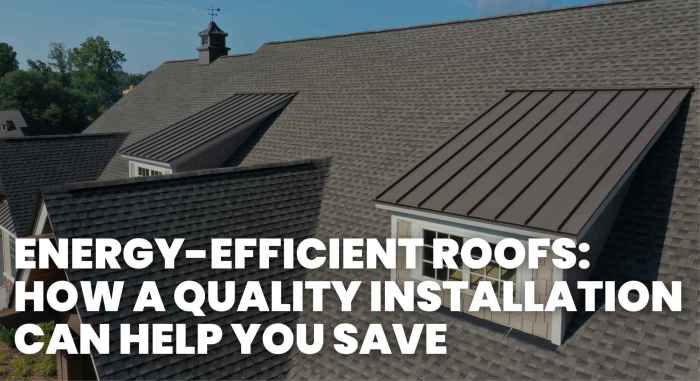
When it comes to energy-efficient roofing materials, there are several options available on the market. Each type of material comes with its own set of advantages and considerations to keep in mind. Let's explore some of the most common energy-efficient roofing materials:
Metal Roofing
Metal roofs are known for their durability and energy efficiency. They reflect sunlight, reducing heat absorption and keeping the interior of a building cooler. Metal roofs are also lightweight and recyclable, making them a sustainable option for eco-conscious homeowners. However, metal roofs can be noisy during heavy rain or hailstorms.
Asphalt Roofing
Asphalt shingles are a popular choice for residential roofing due to their affordability and ease of installation. While not as energy-efficient as metal roofs, asphalt shingles can still provide decent insulation for homes. They come in a variety of colors and styles, making them a versatile option for different architectural designs.
However, asphalt shingles have a shorter lifespan compared to other materials.
Clay Roofing
Clay tiles are a traditional roofing material known for their energy efficiency and durability. They have natural insulating properties, helping to regulate indoor temperatures and reduce energy consumption. Clay tiles are also resistant to fire, insects, and rot, making them a low-maintenance option for homeowners.
However, clay roofing can be heavy and may require additional structural support.
Green Roofing
Green roofs, also known as living roofs, are becoming increasingly popular for their energy-saving benefits and environmental impact. These roofs are covered with vegetation, which helps reduce heat absorption, improve air quality, and provide insulation. Green roofs can also extend the lifespan of a roof by protecting it from UV rays and extreme weather conditions.
However, green roofs require regular maintenance and may be more expensive to install initially.
Techniques for Energy Efficient Roof Installation
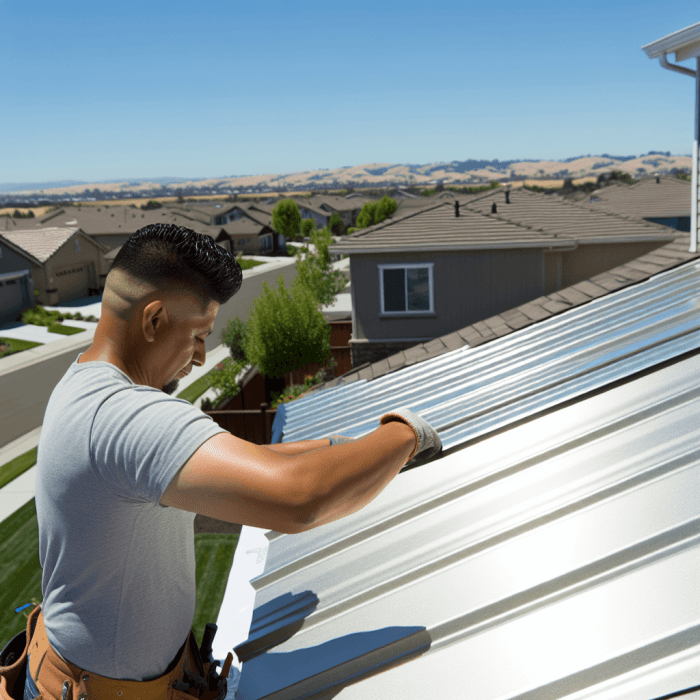
Proper installation of energy-efficient roofs is crucial in maximizing energy savings and reducing environmental impact. Here are some key techniques involved in achieving an energy-efficient roof:
Proper Insulation
Insulation plays a vital role in enhancing the energy efficiency of a roof. By effectively insulating the roof, heat transfer between the interior and exterior of the building is minimized. This helps maintain a consistent indoor temperature, reducing the need for heating or cooling systems to work harder and consume more energy.
- Choose high-quality insulation materials with a high R-value to prevent heat loss or gain.
- Ensure proper installation of insulation to eliminate gaps and air leaks.
- Consider installing a radiant barrier to reflect heat away from the roof, especially in hot climates.
Role of Ventilation
Proper ventilation is essential in maintaining an energy-efficient roof by regulating temperature and moisture levels. It helps prevent the buildup of heat and humidity in the attic, which can cause damage to the roof and reduce energy efficiency.
- Install vents at strategic locations to allow for air circulation and heat dissipation.
- Choose the right type and size of vents based on the roof's design and climate conditions.
- Regularly inspect and maintain vents to ensure optimal performance and energy efficiency.
Benefits of Energy Efficient Roof Installation
Energy-efficient roofs offer a range of advantages that go beyond just saving energy. Let's explore some of the key benefits below:
Cost-saving advantages over time
- Energy-efficient roofs can help reduce utility bills by maintaining a consistent indoor temperature, reducing the need for heating and cooling.
- By minimizing heat loss in the winter and heat gain in the summer, these roofs can lower energy consumption and ultimately save homeowners money in the long run.
- Moreover, the durability and longevity of energy-efficient roofing materials can also lead to lower maintenance costs over time.
Impact on indoor temperature regulation
- Energy-efficient roofs act as a barrier against extreme outside temperatures, helping to maintain a comfortable indoor environment year-round.
- By reducing heat transfer through the roof, these systems can create a more stable and consistent temperature inside the building, enhancing overall comfort for occupants.
- This improved thermal performance can also contribute to a healthier indoor environment by reducing the need for constant heating or cooling, which can lead to better air quality.
Increase in property value
- Investing in energy-efficient roofing can significantly increase the value of a property by making it more attractive to potential buyers.
- Buyers are increasingly looking for homes with sustainable features that can help them save on energy costs, making energy-efficient roofs a valuable asset in the real estate market.
- Additionally, properties with energy-efficient roofs may qualify for tax incentives or rebates, further enhancing their appeal and value.
Final Conclusion
In conclusion, energy efficient roof installation is not just a trend but a necessity in today's environmentally-conscious world. By choosing the right materials, implementing proper techniques, and understanding the long-term benefits, individuals can make informed decisions that positively impact both their finances and the planet.
Helpful Answers
What are some common materials used in energy efficient roof installations?
Common materials include metal, asphalt, clay, and green roofs, each offering unique benefits in terms of energy efficiency and durability.
How does proper insulation contribute to the energy efficiency of a roof?
Proper insulation helps regulate indoor temperatures, reducing the reliance on heating and cooling systems and ultimately lowering energy consumption.
Can energy-efficient roofs increase the value of a property?
Yes, energy-efficient roofs can enhance the overall value of a property due to their cost-saving advantages and eco-friendly appeal.