
Commercial roof coating services play a vital role in protecting and enhancing the lifespan of commercial buildings. From increasing energy efficiency to reducing maintenance costs, roof coatings offer a range of advantages that can transform the way properties are maintained and managed.
Let's delve into the world of commercial roof coating services and explore the key aspects that make them a valuable investment for any business.
Overview of Commercial Roof Coating Services
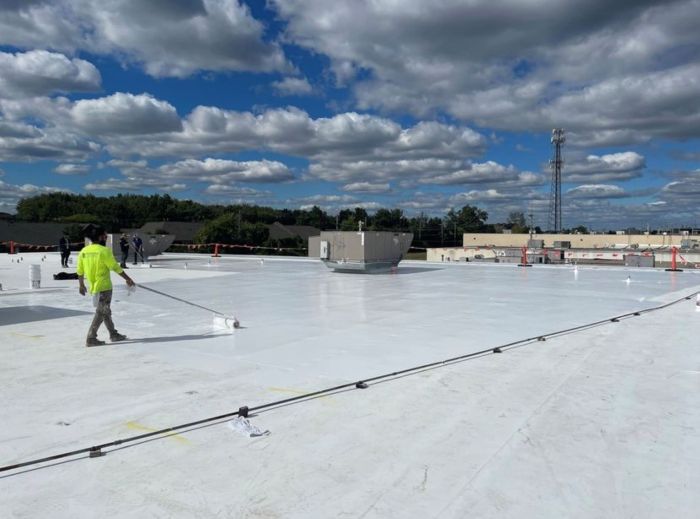
Commercial roof coatings play a crucial role in protecting and prolonging the lifespan of commercial buildings. These coatings act as a barrier against harsh weather conditions, UV rays, and other environmental factors that can damage the roof over time.
Benefits of Commercial Roof Coating Services
- Extended Roof Lifespan: Roof coatings can help extend the life of a commercial roof by providing an extra layer of protection.
- Energy Efficiency: Certain roof coatings can reflect sunlight and reduce the amount of heat absorbed by the building, leading to lower energy costs.
- Waterproofing: Roof coatings can help prevent leaks and water damage, keeping the interior of the building dry and safe.
- Cost-Effective: Investing in roof coatings is a cost-effective way to maintain and protect the roof of a commercial property compared to a full roof replacement.
Types of Coatings Available for Commercial Roofs
- Acrylic Roof Coatings: These coatings are popular for their flexibility and durability, providing protection against UV rays and reducing energy costs.
- Silicone Roof Coatings: Known for their waterproofing properties, silicone coatings are resistant to ponding water and can withstand extreme weather conditions.
- Polyurethane Roof Coatings: These coatings offer excellent protection against impact and abrasion, making them ideal for high-traffic areas on commercial roofs.
Application Process
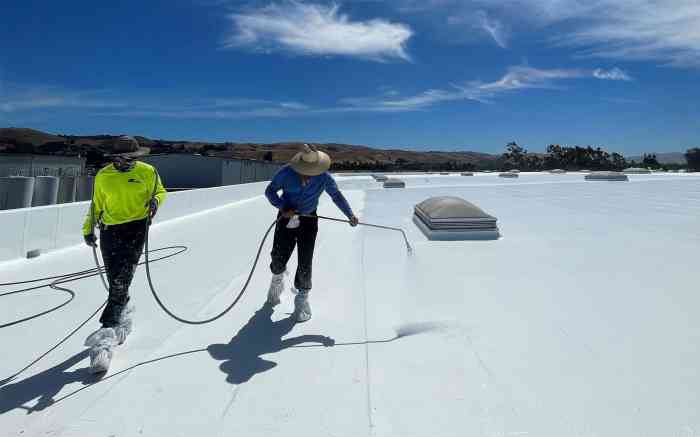
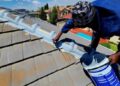
When it comes to applying roof coatings to commercial buildings, there are specific steps involved in the process to ensure a successful application and long-lasting protection.
Types of Application Methods
There are different methods for applying roof coatings, each with its own advantages and considerations:
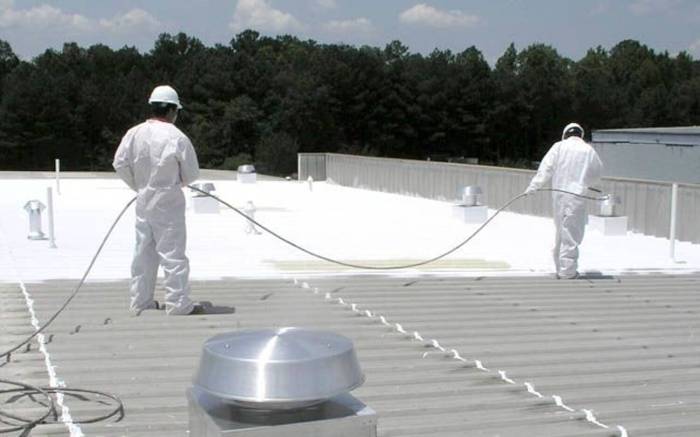
- Spray Method: This technique involves using specialized equipment to evenly spray the coating onto the roof surface. It is efficient and can cover large areas quickly.
- Brush Method: Using a brush to apply the coating allows for more precision and control, especially in hard-to-reach areas or areas that require extra attention.
- Roller Method: Rolling the coating onto the roof is a common method that provides a consistent application and is suitable for smooth surfaces.
Preparation Before Application
Before applying a roof coating, proper preparation is essential to ensure the coating adheres correctly and provides optimal protection:
- Clean the Roof: Remove any dirt, debris, or existing coatings from the roof surface to create a clean and smooth base for the new coating.
- Repair Any Damage: Inspect the roof for any cracks, leaks, or damage that needs to be repaired before applying the coating to prevent further issues.
- Primer Application: In some cases, a primer may be required to enhance adhesion and ensure the coating bonds properly to the roof surface.
- Weather Conditions: Consider the weather conditions when planning the application to ensure optimal drying and curing times for the coating.
Types of Roof Coatings
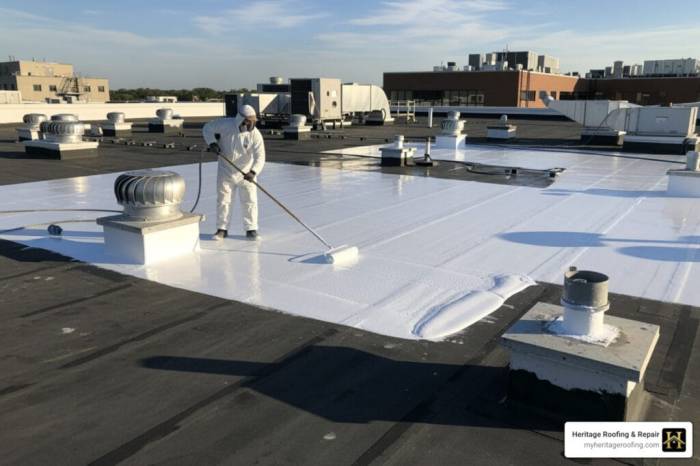
Roof coatings play a crucial role in protecting commercial properties from the elements and extending the lifespan of the roof. There are several common types of roof coatings used in commercial settings, each with unique features and advantages.
Silicone Roof Coatings
Silicone roof coatings are known for their durability and resistance to UV rays, making them an excellent choice for commercial buildings in sunny climates. These coatings provide excellent waterproofing properties and can withstand extreme temperature fluctuations without cracking or peeling.
Examples of commercial buildings that have benefited from silicone roof coatings include warehouses, manufacturing facilities, and shopping centers.
Acrylic Roof Coatings
Acrylic roof coatings are popular for their versatility and ease of application. They are highly reflective, helping to reduce energy costs by keeping the building cooler during hot weather. Acrylic coatings are also environmentally friendly and offer good protection against mildew and algae growth.
Commercial buildings such as office complexes, schools, and hospitals have seen great results with acrylic roof coatings.
Polyurea Roof Coatings
Polyurea roof coatings are known for their rapid curing time and exceptional durability. These coatings are highly resistant to chemicals, making them ideal for commercial buildings with exposure to harsh substances. Polyurea coatings also provide excellent waterproofing and can be applied in a wide range of temperatures.
Commercial properties like chemical plants, food processing facilities, and automotive workshops have benefited from polyurea roof coatings.
Maintenance and Longevity
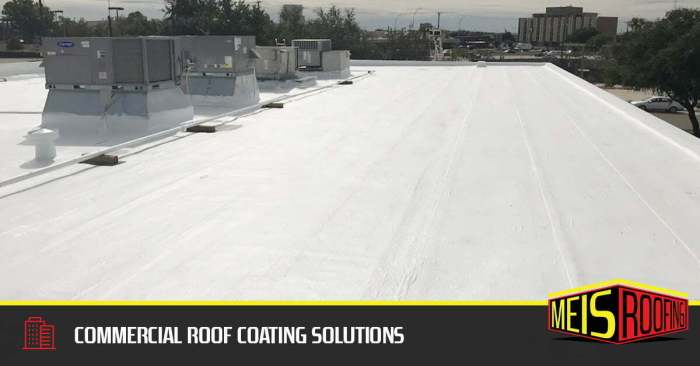
Regular maintenance plays a crucial role in prolonging the lifespan of commercial roof coatings. By addressing issues promptly and conducting routine inspections, you can ensure that your roof coating remains effective for years to come.Factors that can influence the longevity of roof coatings include the quality of the initial application, exposure to harsh weather conditions, improper installation, and lack of regular maintenance.
Understanding these factors can help you take the necessary steps to extend the life of your commercial roof coating.
Tips for Extending the Lifespan of Roof Coatings
- Conduct regular inspections: Schedule routine inspections to identify any damage or wear and tear early on. This allows you to address issues promptly before they escalate.
- Clean the roof surface: Keep the roof surface clean from debris, dirt, and other contaminants that can compromise the integrity of the coating.
- Address repairs promptly: If you notice any signs of damage, such as cracks or peeling, make sure to repair them immediately to prevent further deterioration.
- Ensure proper ventilation: Proper ventilation can help prevent moisture buildup, which can damage the roof coating over time. Make sure your commercial building has adequate ventilation.
- Hire professional maintenance services: Consider hiring professional roof maintenance services to conduct thorough inspections and maintenance tasks to ensure the longevity of your roof coating.
Cost Considerations
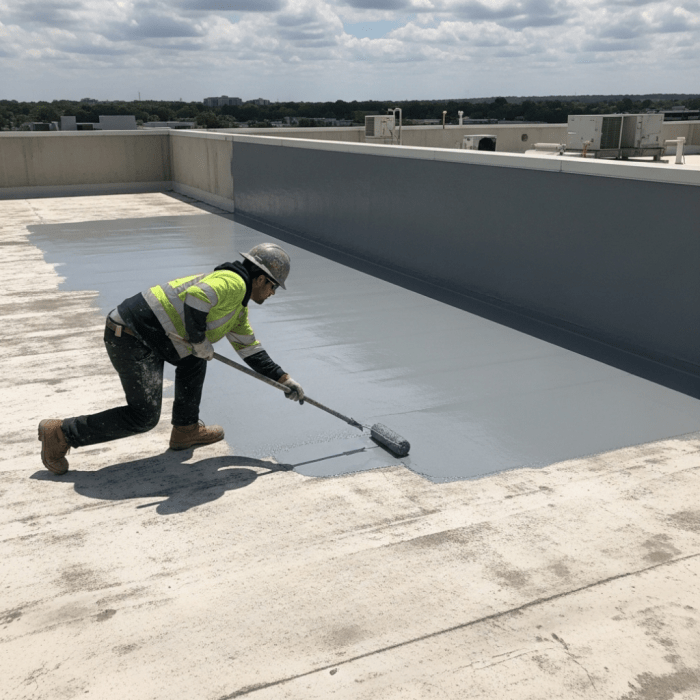
When considering commercial roof coating services, it's important to break down the various cost factors involved. The cost of roof coating will depend on factors such as the size of the roof, the condition of the existing roof, the type of coating used, and the complexity of the application process.
Cost-effectiveness of Roof Coatings vs. Roof Replacements
Roof coatings are generally more cost-effective than roof replacements for commercial properties. While roof replacements involve tearing off the existing roof and installing a new one, roof coatings can be applied directly over the existing roof, reducing labor and material costs significantly.
Impact of Different Types of Roof Coatings on Cost
Different types of roof coatings can impact the overall cost of the project. For example, silicone roof coatings are generally more expensive upfront but offer superior durability and longevity, reducing long-term maintenance costs. On the other hand, acrylic roof coatings are more affordable but may require more frequent maintenance and recoating.
Environmental Impact
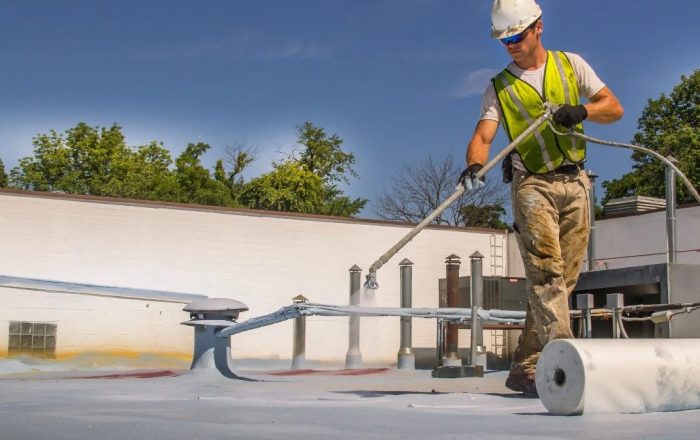
When it comes to commercial roof coatings, the environmental impact is a crucial factor to consider. These coatings offer various eco-friendly benefits that can contribute to a more sustainable and energy-efficient building environment.
Energy Efficiency and Sustainability
Roof coatings play a significant role in enhancing the energy efficiency of commercial buildings. By reflecting sunlight and reducing heat absorption, these coatings help maintain lower indoor temperatures, thus decreasing the need for excessive air conditioning. This, in turn, leads to reduced energy consumption and lower utility costs, making the building more sustainable in the long run.
Reduction of Carbon Footprint
- Roof coatings can help reduce a building's carbon footprint by lowering energy consumption. When a building requires less energy for cooling, there is a corresponding decrease in greenhouse gas emissions associated with electricity production.
- By extending the lifespan of the roof and reducing the need for frequent replacements, roof coatings also contribute to sustainability by minimizing the environmental impact of manufacturing new roofing materials.
- Additionally, some roof coatings are formulated with materials that have low volatile organic compound (VOC) content, further reducing harmful emissions into the atmosphere during application and throughout the life of the coating.
Epilogue
In conclusion, commercial roof coating services are a game-changer for property owners looking to enhance durability, sustainability, and cost-effectiveness. By understanding the importance of roof coatings, the application process, different types available, maintenance requirements, cost considerations, and environmental impact, businesses can make informed decisions to protect their assets and maximize their building's potential.
Question Bank
How often should commercial roof coatings be maintained?
Regular maintenance is recommended at least once a year to ensure optimal performance and longevity of the roof coatings.
Are there any specific environmental benefits of using silicone roof coatings?
Silicone roof coatings are known for their high reflectivity, which can reduce cooling costs by keeping the building cooler and lowering energy consumption.
Can I apply roof coatings myself, or should I hire professionals?
While DIY application is possible for some coatings, it's generally recommended to hire professionals to ensure proper preparation and application for long-lasting results.