
Diving into the world of roofing sales software solutions, this introduction sets the stage for a deep dive into how technology is revolutionizing the roofing industry. From streamlining processes to enhancing sales efficiency, these software solutions are changing the game for businesses.
As we navigate through the different types of roofing sales software, implementation strategies, and the importance of integrations, you'll gain a comprehensive understanding of how these tools can benefit your roofing company.
Overview of Roofing Sales Software Solutions
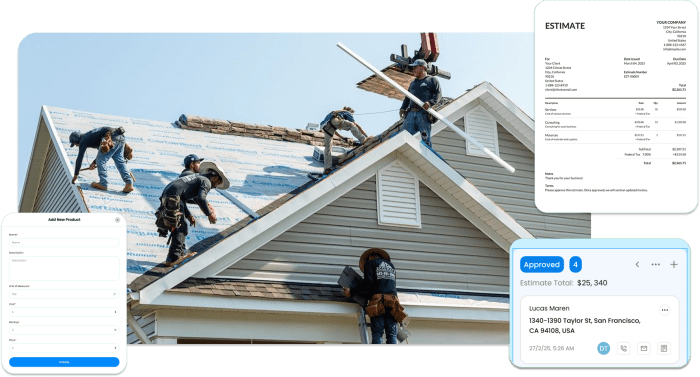
In today's competitive roofing industry, the use of software solutions has become crucial for businesses looking to streamline their sales processes and stay ahead of the competition. Roofing sales software solutions offer a wide range of features that help companies manage leads, track sales, and improve overall efficiency.
Importance of Using Software in the Roofing Sales Industry
Roofing sales software solutions play a vital role in helping companies effectively manage their sales pipeline, from initial lead generation to closing deals. By automating tasks such as lead tracking, follow-ups, and generating quotes, these software solutions enable sales teams to focus on building relationships with customers and closing more deals.
Key features that are typically included in roofing sales software solutions include lead management, customer relationship management (CRM), estimating and quoting tools, project management capabilities, and reporting and analytics functionalities. These features work together to streamline the sales process, enhance communication within the team, and provide valuable insights into the performance of the sales team.
By leveraging roofing sales software solutions, businesses can improve their efficiency, increase sales productivity, and ultimately drive revenue growth. These software solutions are essential tools for roofing companies looking to stay competitive in a rapidly evolving market.
Types of Roofing Sales Software
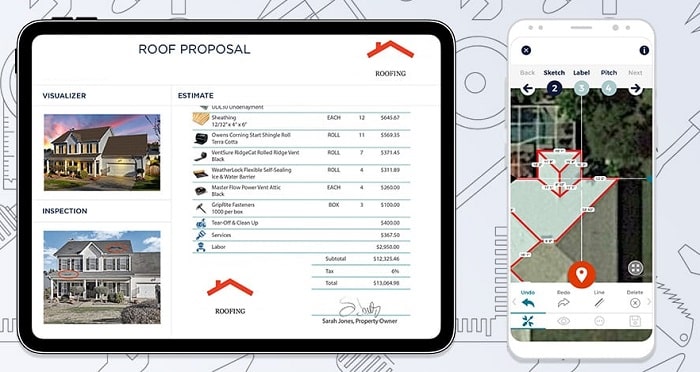
Roofing sales software solutions come in various types to cater to the specific needs of roofing businesses. Two common types are cloud-based and on-premise software.
Cloud-Based vs. On-Premise Roofing Sales Software
- Cloud-based software: This type of software is hosted on remote servers and accessed through the internet. It offers flexibility, scalability, and easier updates without the need for on-site maintenance.
- On-premise software: On the other hand, on-premise software is installed and run on the company's local computers or servers. While it may offer more control over data, it requires maintenance and upgrades on-site.
Benefits of Mobile-Friendly Roofing Sales Software
Having a mobile-friendly roofing sales software is crucial for sales teams who are constantly on-the-go. It allows sales reps to access important information, update data, and communicate with clients anytime, anywhere.
Subscription-Based Pricing vs. One-Time Purchase Options
- Subscription-based pricing: This model involves paying a recurring fee for the software, usually on a monthly or annual basis. It allows for more predictable costs and ensures access to updates and support.
- One-time purchase options: With this model, businesses pay a one-time fee to own the software permanently. While it may seem cost-effective in the long run, updates and support may come at an additional cost.
Implementing Roofing Sales Software
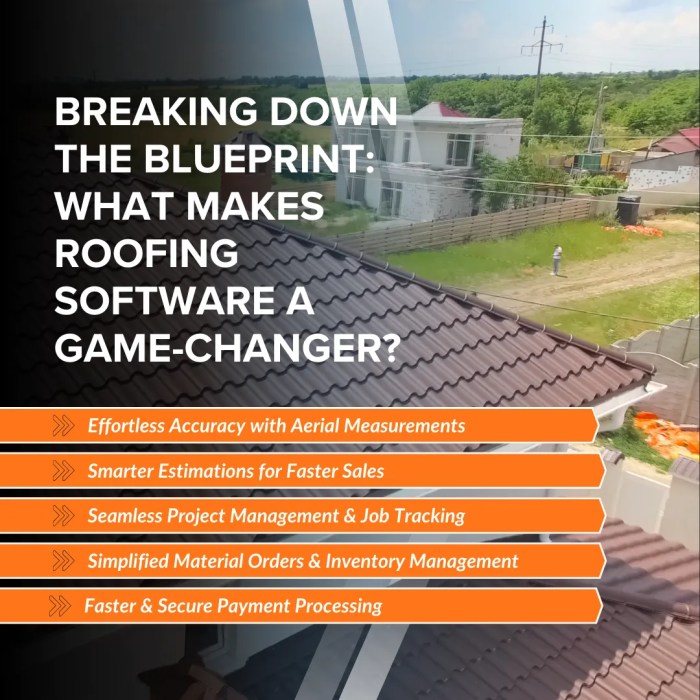
When it comes to implementing a new roofing sales software solution for a roofing company, there are several steps that need to be followed to ensure a smooth transition and successful adoption by employees.
Steps for Implementing Roofing Sales Software
- 1. Planning: Begin by creating a detailed plan that Artikels the goals, timeline, and resources needed for the implementation process.
- 2. Training: Provide comprehensive training sessions for employees to familiarize them with the software and its features.
- 3. Data Migration: Transfer all existing customer data and sales information to the new software system.
- 4. Testing: Conduct thorough testing to identify any issues or bugs before fully implementing the software.
- 5. Go-Live: Gradually roll out the software to different departments or teams to minimize disruptions and ensure a smooth transition.
Tips for Training Employees on Roofing Sales Software
- 1. Offer hands-on training sessions to allow employees to practice using the software in a simulated environment.
- 2. Create user guides and manuals for reference, along with providing ongoing support and assistance.
- 3. Encourage employees to ask questions and provide feedback to improve their understanding and use of the software.
Common Challenges and Solutions during Implementation
- 1. Resistance to Change: Address employee concerns and fears by highlighting the benefits of the new software and providing support throughout the transition.
- 2. Integration Issues: Ensure that the new software integrates seamlessly with existing systems and processes to avoid disruptions in workflow.
- 3. Data Security Concerns: Implement robust security measures to protect sensitive customer information and reassure employees about data privacy.
Integrations and Customizations
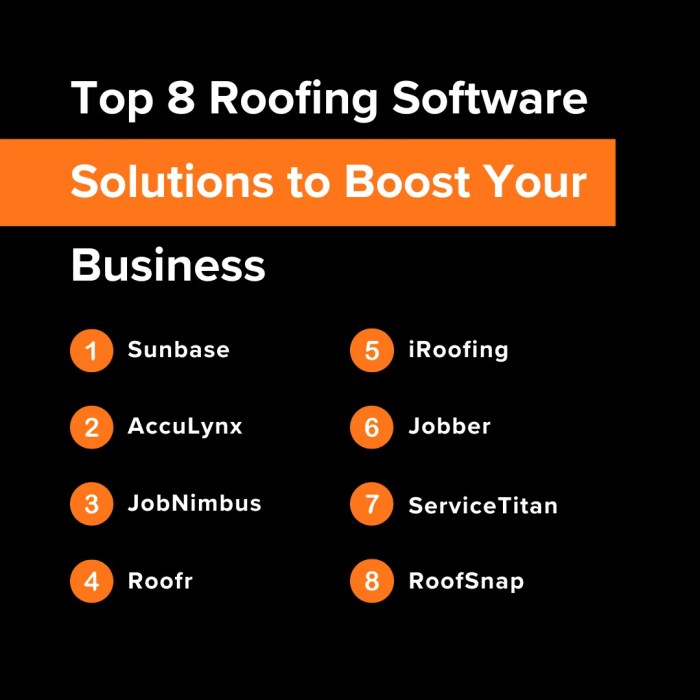
Integrations and customizations play a crucial role in enhancing the functionality and efficiency of roofing sales software solutions. By seamlessly connecting with other software systems and tailoring the software to meet specific business needs, roofing companies can streamline their operations and improve overall performance.
Importance of Integrations
Integrating roofing sales software with other systems like Customer Relationship Management (CRM) or accounting software is essential for ensuring smooth data flow and communication between different departments. This integration allows for real-time updates, accurate reporting, and improved collaboration among team members.
Customizing Roofing Sales Software
Customizing roofing sales software involves adapting the software to align with the unique requirements and workflows of a roofing business. This could include adding custom fields, modifying user interfaces, or creating specific reports to better meet the specific needs of the company.
Customizations help in optimizing processes and maximizing productivity.
Popular Third-Party Integrations
- Integration with QuickBooks: Many roofing sales software users opt for integration with QuickBooks for seamless accounting and financial management.
- CRM Integration: Connecting roofing sales software with popular CRM platforms like Salesforce or HubSpot helps in managing customer relationships and tracking sales leads effectively.
- Google Calendar Integration: Integrating roofing sales software with Google Calendar enables scheduling appointments, managing tasks, and improving overall organization.
Conclusive Thoughts
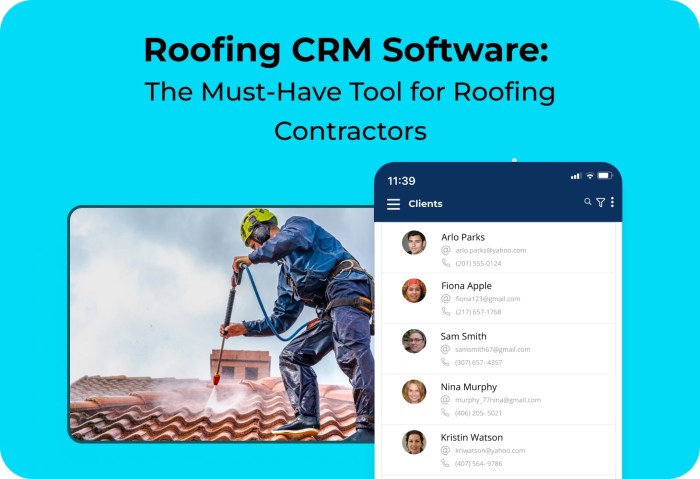
In conclusion, roofing sales software solutions offer a powerful toolkit for businesses looking to optimize their sales processes and drive growth. By embracing technology and customizing solutions to meet specific needs, companies can stay ahead of the competition and achieve success in the ever-evolving roofing industry.
FAQ Insights
How can roofing sales software solutions benefit my business?
Roofing sales software solutions can help businesses streamline their processes, improve sales team efficiency, and enhance customer service, ultimately leading to increased sales and revenue.
What are the key features to look for in roofing sales software solutions?
Key features may include CRM integration, mobile accessibility, customizable reporting tools, lead management capabilities, and project tracking functionalities.
How can I overcome challenges during the implementation of roofing sales software?
To overcome challenges, ensure thorough employee training, provide ongoing support, and communicate clearly with your software provider to address any issues promptly.