
Delving into the realm of roof maintenance and inspection cost, this article aims to shed light on the various factors that influence pricing. From the type of roof material to regional price variations, we will unravel the complexities surrounding this essential aspect of homeownership.
As we navigate through the details of average costs, DIY versus professional services, and the importance of regular maintenance, you'll gain a deeper understanding of how to effectively manage your roof upkeep expenses.
Factors influencing the cost of roof maintenance and inspection
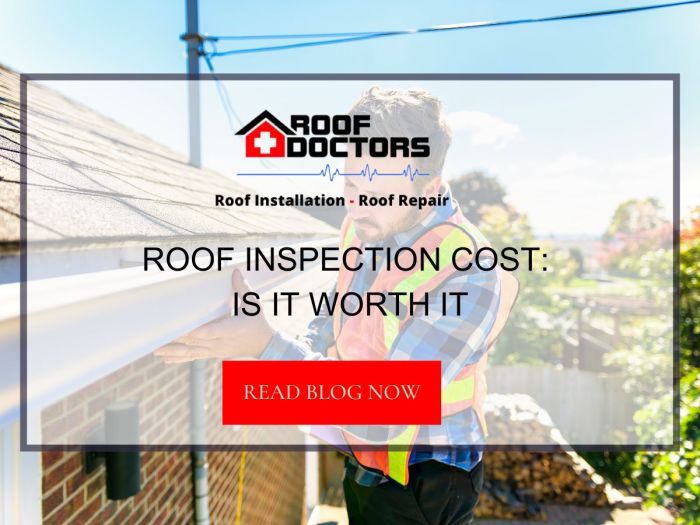
Roof maintenance and inspection costs can vary based on several factors that impact the overall pricing of these services.
Type of Roof Material
The type of roof material used can significantly affect maintenance costs. For example, asphalt shingles are generally more affordable to maintain compared to metal or tile roofs. Different materials may require specific maintenance techniques or materials, impacting the overall cost.
Roof Size and Complexity
The size and complexity of a roof can also influence inspection expenses. Larger roofs or those with intricate designs may require more time and effort to inspect thoroughly, leading to higher inspection costs. Additionally, roofs with multiple angles, slopes, or features may be more challenging to inspect, impacting the overall pricing.
Roof's Age
The age of a roof is another crucial factor that affects maintenance and inspection pricing. Older roofs may require more frequent maintenance and inspections to ensure their structural integrity and longevity. As roofs age, they are more prone to wear and tear, which can lead to increased maintenance costs over time.
Average costs for roof maintenance and inspection
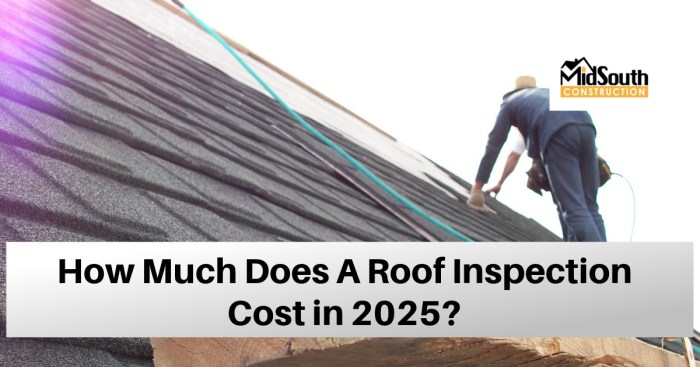
When it comes to budgeting for roof maintenance and inspections, it's important to understand the average costs involved. Let's break down the expenses and look at how they vary based on different factors.
Routine maintenance vs. comprehensive inspections
- Routine maintenance: On average, homeowners can expect to pay between $150 to $400 for basic maintenance tasks such as gutter cleaning, debris removal, and minor repairs.
- Comprehensive inspections: For a more thorough inspection that includes checking for leaks, assessing the overall condition of the roof, and identifying potential issues, the cost can range from $200 to $600.
Cost breakdown by roof type
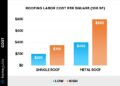
- Asphalt shingles: The most common type of roofing material, maintenance costs for asphalt shingle roofs typically range from $150 to $400. Inspections may cost between $200 to $500.
- Metal roofs: Maintenance for metal roofs can be slightly higher, averaging between $200 to $500. Comprehensive inspections may cost between $300 to $700.
- Tile roofs: Tile roofs require specialized care, with maintenance costs ranging from $250 to $600. Inspections for tile roofs can cost between $300 to $800.
Regional price variations
- Prices for roof maintenance and inspections can vary based on location. Urban areas or regions with higher costs of living may have higher service fees compared to rural areas. For example, homeowners in the Northeast or West Coast may expect to pay more than those in the Midwest or South.
Additional costs to consider
- Emergency repairs: In case of unexpected damage or leaks, emergency repair costs can add to the overall expenses. It's wise to set aside a contingency fund for such situations.
- Roof size and complexity: Larger roofs or those with intricate designs may require more time and effort to maintain, leading to higher costs.
- Contractor expertise: Hiring experienced professionals or specialized roofers may come at a premium, but it ensures quality workmanship and peace of mind.
DIY vs. Professional Services for Roof Maintenance and Inspection
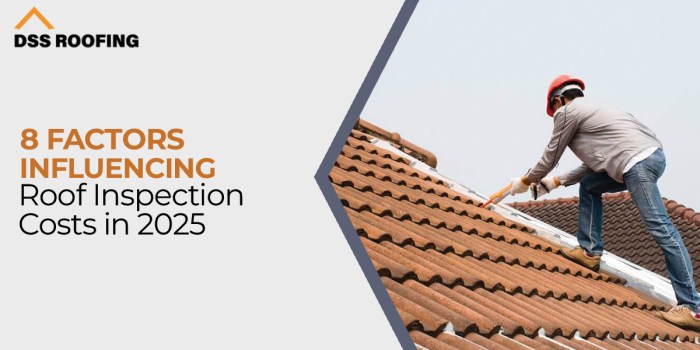
When it comes to roof maintenance and inspection, homeowners often face the decision of whether to tackle the tasks themselves or hire professional roofers. Each option has its own set of benefits and drawbacks, so it's essential to weigh them carefully before making a decision.
Benefits and Drawbacks of DIY Roof Maintenance
DIY roof maintenance can save you money on labor costs, and it allows you to have more control over the process. You can choose the materials and schedule that work best for you. However, DIY roof maintenance requires time, effort, and a certain level of skill.
If done incorrectly, it can lead to further damage and costly repairs down the line.
Advisable to Hire Professional Roofers for Inspections and Repairs
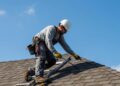
It's advisable to hire professional roofers for inspections and repairs if you lack the necessary skills and experience, or if the task is too complex. Professionals have the expertise to identify potential issues that may go unnoticed by untrained eyes.
They also have access to specialized tools and equipment to perform thorough inspections and repairs.
Cost Comparison: Hiring Professionals vs. DIY Maintenance
- Hiring professionals for roof maintenance and inspection may come at a higher upfront cost, but it can save you money in the long run by preventing costly repairs due to missed issues.
- DIY maintenance may seem more cost-effective initially, but if mistakes are made, it could end up costing you more in the form of repairs and replacements.
Tips for Choosing Reputable Roofing Professionals
- Ask for recommendations from friends, family, or neighbors who have had positive experiences with roofing professionals.
- Verify the credentials and licenses of the roofing company to ensure they are qualified to perform the work.
- Get multiple quotes from different professionals to compare prices and services offered.
- Read reviews and testimonials online to gauge the reputation of the roofing company.
Importance of regular roof maintenance and inspections
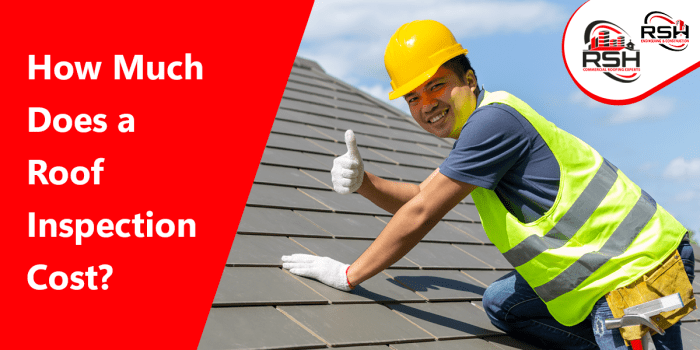
Regular roof maintenance and inspections are essential for ensuring the longevity and structural integrity of your roof. By staying proactive and addressing issues early on, you can prevent costly repairs and extend the lifespan of your roof.
Early Detection of Issues
Routine inspections play a key role in identifying potential problems before they escalate into major issues. By catching issues early, you can address them promptly and prevent them from causing significant damage to your roof and the interior of your property.
Common Problems Detected
- Missing or damaged shingles
- Leaks or water damage
- Mold or mildew growth
- Clogged gutters or downspouts
- Pest infestations
Best Practices for Scheduling Maintenance
It is recommended to schedule roof maintenance and inspections at least twice a year, ideally in the spring and fall. Additionally, after severe weather events such as storms or heavy snowfall, it is crucial to inspect your roof for any damage.
Regular maintenance can also be scheduled after significant changes to your property, such as the installation of a new HVAC system or solar panels.
Concluding Remarks
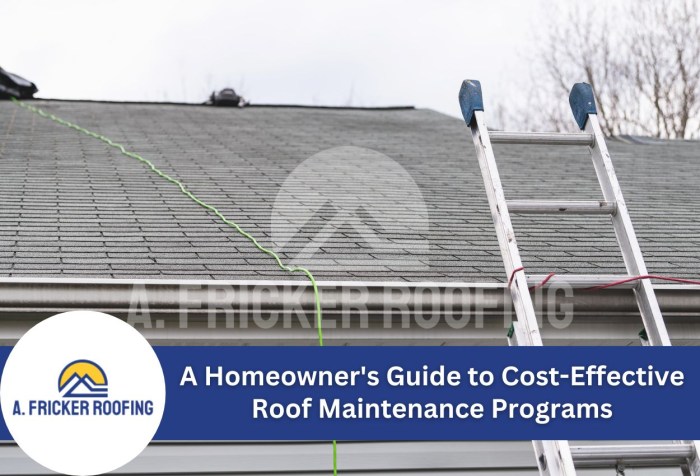
In conclusion, understanding the nuances of roof maintenance and inspection costs is crucial for any homeowner looking to protect their investment and ensure the longevity of their roof. By staying informed and proactive, you can navigate this vital aspect of home maintenance with confidence and ease.
FAQs
What factors can influence the cost of roof maintenance and inspection?
Factors such as roof material, size, complexity, and age can all play a significant role in determining the overall cost of maintenance and inspections.
How do DIY roof maintenance and professional services compare in terms of cost?
While DIY maintenance may seem cost-effective initially, professional services can provide more comprehensive inspections and potentially save money in the long run by addressing issues early.
Why is regular roof maintenance important for extending the lifespan of a roof?
Regular maintenance helps identify and address issues before they escalate, ultimately prolonging the lifespan of your roof and reducing the need for costly repairs.