
Diving into the realm of sustainable roofing solutions, this introduction aims to shed light on the importance of eco-friendly practices in the roofing industry. From innovative materials to energy-efficient installations, the journey towards sustainable roofing is both enlightening and crucial for a greener future.
In the following paragraphs, we will delve deeper into the various aspects of sustainable roofing, including materials, installation techniques, maintenance tips, and more.
Sustainable Roofing Solutions
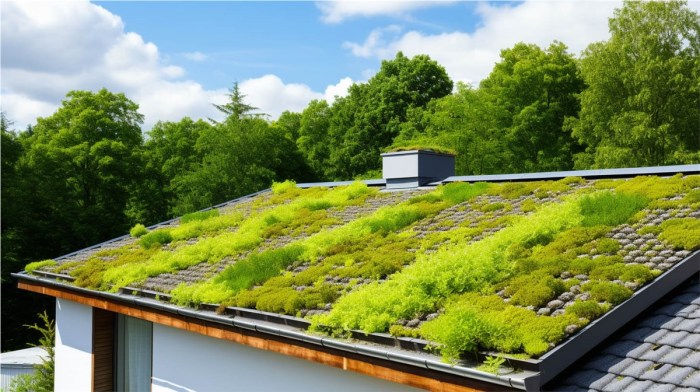
Sustainable roofing solutions refer to environmentally friendly and energy-efficient roofing materials and techniques that help reduce the overall environmental impact of buildings.
Key Benefits of Using Sustainable Roofing Solutions
- Reduced energy consumption: Sustainable roofs can help regulate indoor temperatures, reducing the need for heating and cooling systems, thus lowering energy bills.
- Longevity and durability: Many sustainable roofing materials are long-lasting and require minimal maintenance, saving money and resources in the long run.
- Improved air quality: Some sustainable roofing options, such as green roofs, can help filter pollutants from the air and provide oxygen, promoting better air quality.
- Reduced urban heat island effect: Sustainable roofs can help mitigate the heat island effect in urban areas by absorbing less heat and reducing overall temperatures.
Importance of Sustainable Roofing in Reducing Environmental Impact
Sustainable roofing plays a crucial role in reducing the environmental impact of buildings and communities by:
- Conserving energy and reducing greenhouse gas emissions by decreasing the need for artificial heating and cooling.
- Minimizing waste generation through the use of recyclable and eco-friendly roofing materials.
- Promoting biodiversity and green spaces in urban areas through the implementation of green roofs and solar panels.
- Contributing to overall sustainability goals and mitigating climate change effects by creating more energy-efficient and environmentally friendly buildings.
Types of Sustainable Roofing Materials
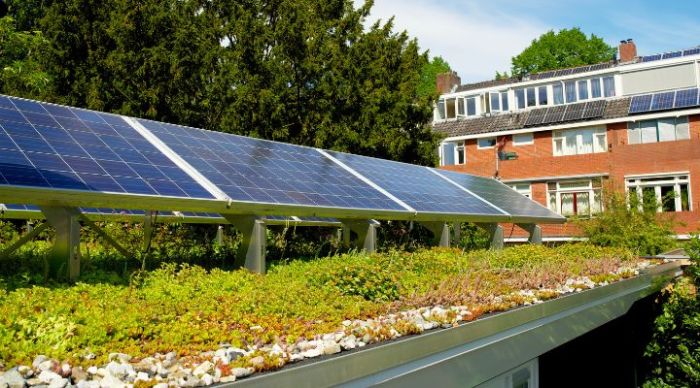
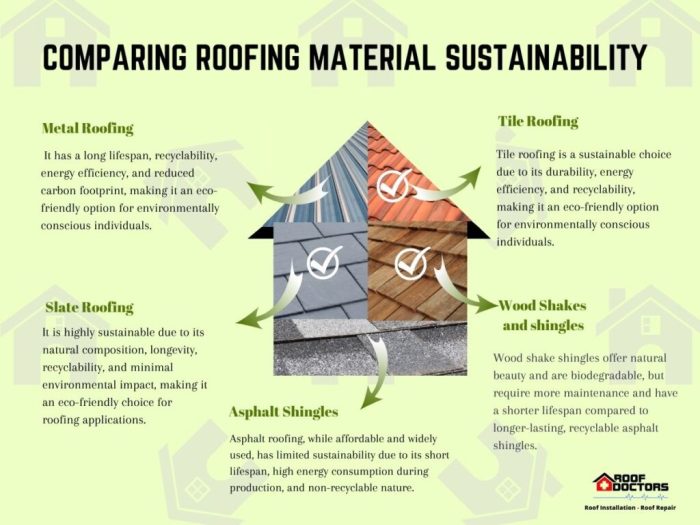
When it comes to sustainable roofing solutions, there are various eco-friendly materials that can be used to replace traditional options. These materials not only help reduce environmental impact but also offer durability and cost-effectiveness in the long run.
Eco-Friendly Roofing Materials
- Solar Shingles: These shingles are designed to harness solar energy and convert it into electricity for the building.
- Recycled Shingles: Made from recycled materials like rubber, plastic, or wood fibers, these shingles are a sustainable choice.
- Green Roofs: These roofs are covered with vegetation, providing insulation, reducing energy costs, and improving air quality.
Durability Comparison
While traditional roofing materials like asphalt shingles or metal roofs are known for their durability, sustainable options like metal roofs or green roofs can also offer longevity. With proper maintenance, sustainable roofing materials can withstand harsh weather conditions and last for many years.
Cost-Effectiveness in the Long Run
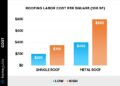
- Sustainable roofing materials may have a higher upfront cost compared to traditional options, but they often prove to be cost-effective in the long run. They require less maintenance, offer energy savings, and can even increase the property value.
- Additionally, some eco-friendly materials qualify for tax credits or incentives, further enhancing their cost-effectiveness over time.
Installation Techniques for Sustainable Roofing
Proper installation of sustainable roofing solutions is crucial to ensure maximum efficiency and longevity. By following best practices and employing the right techniques, you can enhance the performance and durability of your green roof.
Steps for Installing Green Roofs
Installing a green roof involves several key steps to ensure a successful and effective outcome:
- 1. Structural Evaluation: Assess the existing roof structure to determine its capacity to support the weight of the green roof system.
- 2. Waterproofing and Drainage: Install a high-quality waterproofing membrane and ensure proper drainage to prevent water infiltration and ponding.
- 3. Root Barrier Installation: Place a root barrier to prevent plant roots from penetrating the waterproofing layer and causing damage.
- 4. Growing Medium Placement: Add a suitable growing medium on top of the waterproofing layer to support plant growth and provide adequate nutrients.
- 5. Plant Selection and Installation: Choose appropriate plants based on local climate and conditions, and install them strategically on the green roof.
- 6. Irrigation System Setup: Implement an efficient irrigation system to ensure plants receive the necessary water without excess runoff.
Energy Efficiency Improvements with Proper Installation
Proper installation of sustainable roofing solutions can lead to significant energy efficiency improvements in a building:
- - Reduced Cooling Costs: Green roofs can help insulate the building, reducing the need for air conditioning in hot weather.
- - Stormwater Management: Green roofs can absorb rainwater, reducing runoff and alleviating pressure on stormwater systems.
- - Extended Roof Lifespan: The added protection and insulation provided by green roofs can prolong the lifespan of the roof membrane, reducing maintenance costs.
Maintenance and Longevity of Sustainable Roofing
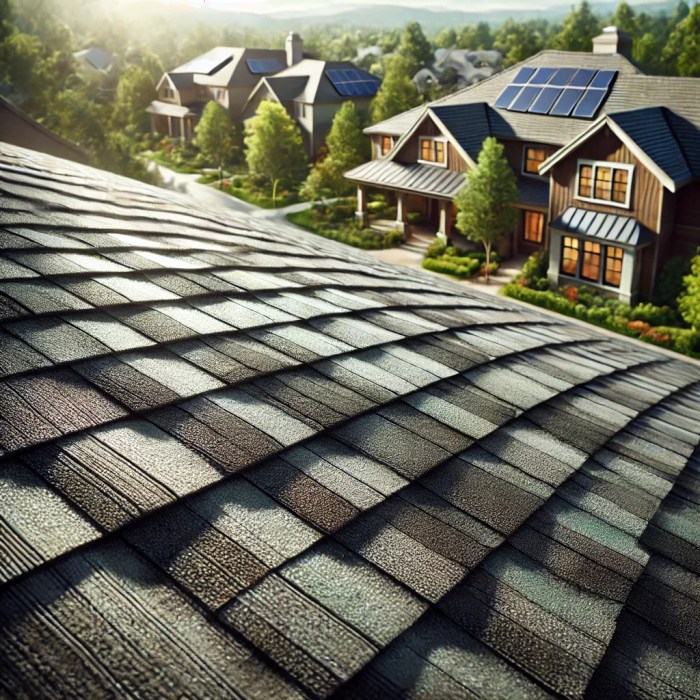
Regular maintenance plays a crucial role in extending the lifespan of sustainable roofing solutions. By following specific tips and practices, you can ensure that your sustainable roof remains effective and durable for years to come. Additionally, proper maintenance also has a positive impact on the environment by reducing the need for frequent repairs and replacements, thus minimizing waste and resource consumption.
Tips for Maintaining Sustainable Roofing Systems
- Regularly inspect the roof for any signs of damage, such as cracks, leaks, or missing shingles.
- Clean debris, leaves, and other materials that can accumulate on the roof and potentially cause water pooling.
- Trim overhanging branches to prevent damage from falling limbs and debris.
- Ensure proper drainage to prevent water buildup and potential leaks.
- Schedule professional inspections and maintenance at least once a year to address any issues promptly.
Environmental Impact of Maintaining Sustainable Roofing Solutions
Regular maintenance not only extends the lifespan of sustainable roofs but also contributes to environmental sustainability. By preventing major damages and prolonging the need for replacements, you reduce the overall environmental impact associated with roofing materials production and disposal. Additionally, a well-maintained sustainable roof can improve energy efficiency, reducing the carbon footprint of the building over time.
Conclusive Thoughts
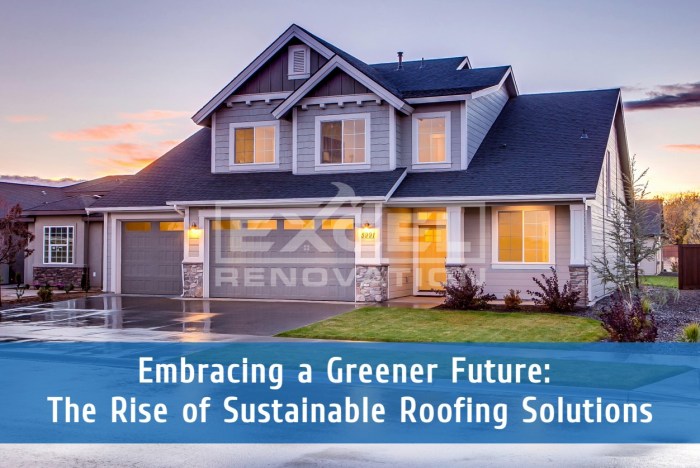
In conclusion, sustainable roofing solutions offer not just environmental benefits but also long-term cost savings and durability. Embracing these practices can lead to a more sustainable and efficient roofing industry, paving the way for a greener tomorrow.
Frequently Asked Questions
What are some common eco-friendly roofing materials?
Common eco-friendly roofing materials include recycled shingles, metal roofs, and solar tiles.
How does regular maintenance affect the lifespan of sustainable roofs?
Regular maintenance, such as inspections and repairs, can significantly extend the lifespan of sustainable roofs by addressing issues before they escalate.
What are the energy efficiency improvements associated with proper installation of sustainable roofing?
Proper installation of sustainable roofing can improve energy efficiency by providing better insulation, reducing heat absorption, and lowering cooling costs.
How does sustainable roofing contribute to reducing environmental impact?
Sustainable roofing reduces environmental impact by promoting energy efficiency, using eco-friendly materials, and minimizing waste during installation and maintenance.